Choosing Plug In Hybrid Cars for global buyers requires more than comparing electric range. A vehicle that suits a commuter in London may frustrate a driver in Nairobi or rural Queensland. Charging access, fuel prices, weather, road quality, and local servicing can change the ownership experience. The brochure is only a starting point. Real use matters.
A careful buyer should examine battery capacity, charging time, engine efficiency, warranty terms, and safety results. Independent reviews, professional testing, and verified owner reports can reveal details missed during a showroom visit. For example, a 25-kilometer electric range may cover a daily commute, but not winter traffic with heating enabled. Different markets may also receive different equipment, software, or warranty coverage. Confirm those details with an authorized dealer and the manufacturer’s regional documentation. Do not assume global availability.
This guide compares practical factors rather than promising one perfect model. It considers city driving, long-distance travel, home charging, public networks, and resale expectations. It also recognizes an uncomfortable truth: plug-in hybrids are not automatically economical or environmentally superior. Their benefits depend on regular charging and sensible driving habits. Some owners may rarely plug in. That weakens the case. Real-world fuel records, maintenance experiences, and local service quality deserve attention alongside official specifications. By weighing measured data against personal routines, buyers can make a more defensible decision. The right choice is usually the one that fits daily life, local support, and future plans.
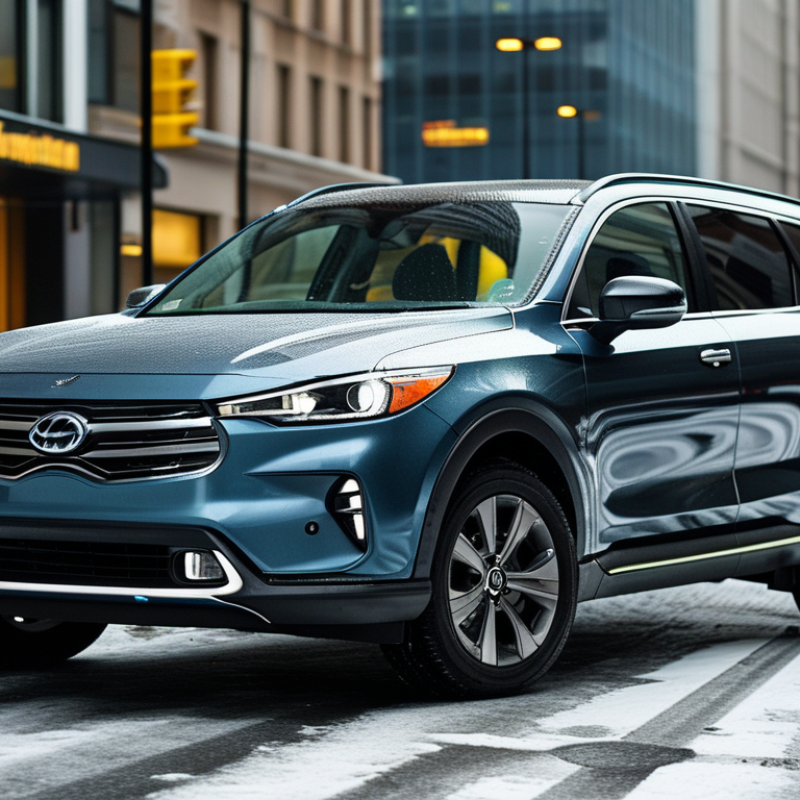
Understanding Plug-In Hybrid Technology and Global Driving Needs
Understanding Plug-In Hybrid Technology and Global Driving Needs
A plug-in hybrid combines an electric motor, a rechargeable battery, and a combustion engine. It can cover short daily trips with electric power, then use fuel for longer journeys. In practical driving, this flexibility matters when public charging is limited or unreliable. A home charger can refill the battery overnight, but apartment residents may need workplace or public charging access. Check the vehicle’s charging connector, voltage requirements, and local charging standards before buying. Small details matter.
Global driving conditions change the decision. A driver in a cold region may lose electric range during freezing mornings. Air conditioning can reduce range in hot climates too. Mountain roads demand more power than flat city streets. Test the car on your normal route, including traffic, hills, and highway speeds. The advertised electric range is useful, but it is not a promise. Real results depend on temperature, speed, cargo, and driving habits.
Fuel availability, maintenance support, and repair expertise also deserve careful attention. Ask whether trained technicians and replacement parts are accessible in your area. Review battery coverage and charging safety guidance in the local language. I would also compare home electricity costs with fuel prices over several months. The calculation may be less attractive than expected. Some buyers focus on technology and overlook parking access, which can become the biggest daily inconvenience. Think again.
How to Choose Plug-In Hybrid Cars for Global Buyers?
Representative technical benchmarks for comparing plug-in hybrid options across different driving needs.
Larger battery capacity generally supports longer electric-only driving, while charging time depends on battery size, onboard charger power, household voltage, and local charging infrastructure. Buyers should compare the vehicle’s certified electric range under the local testing standard, such as WLTP or EPA, with their regular daily travel distance.
Data basis: representative specifications commonly published for plug-in hybrid vehicles in global markets; values are approximate benchmarks rather than brand or company data.
Comparing Electric Range, Fuel Economy, and Charging Performance
Choosing a plug-in hybrid car requires more than reading its advertised electric range. Global buyers should compare testing standards, because laboratory figures may differ from daily driving. A car rated for 80 kilometers might deliver less in winter, heavy traffic, or at motorway speeds. Battery temperature, cabin heating, passengers, and luggage all matter. Real conditions are less polite.
Fuel economy becomes important after the battery is depleted. Check two figures: efficiency with regular charging and efficiency on petrol alone. A driver covering short urban trips may use very little fuel when charging nightly. A frequent long-distance traveler may gain less than expected. I once underestimated highway fuel use because I focused too heavily on the electric figure. That mistake still matters.
Charging performance also affects convenience. Confirm the vehicle’s maximum AC charging rate and compatible connector before buying. A home wall unit may refill the battery overnight, while a standard household socket can take much longer. Some models accept rapid public charging, but others do not. Charging speed can also fall when the battery is cold or nearly full. Ask for independent test data, not only showroom claims. Compare charging time from 20% to 80%, where useful speed is easier to judge. Local electricity prices, fuel costs, and public charger access should shape the final calculation. A slightly smaller battery may suit a buyer with reliable home charging, while a larger one may help those without it.
How to Choose Plug-In Hybrid Cars for Global Buyers? — Comparing Electric Range, Fuel Economy, and Charging Performance
Data notes: Figures are representative ranges based on commonly available plug-in hybrid specifications across major global markets. Electric range is shown using WLTP-style testing with an approximate EPA-equivalent conversion; real-world results vary with temperature, speed, terrain, payload, tire selection, and climate-control use. Weighted combined fuel economy assumes regular charging and substantial electric operation. Charging times depend on battery state of charge, temperature, onboard charger limits, and local electrical supply.
Checking Regional Compatibility, Regulations, and Charging Standards
Choosing a plug-in hybrid car for global use requires more than comparing electric range and fuel economy. Regional compatibility can affect daily convenience, safety, and ownership costs. Check whether the vehicle was type-approved for your destination country. Import rules may require emissions tests, lighting changes, steering adjustments, or special registration documents. A car designed for another market may look suitable but fail local certification.
Charging standards deserve close attention. Confirm the vehicle’s connector type, charging speed, and voltage requirements before purchase. A public charger may accept the same plug yet communicate differently with the car.
Home charging also depends on local electricity supply, socket design, and building regulations. Ask a licensed electrician to inspect the parking space, cable route, earthing, and circuit capacity. Do not rely on a simple travel adapter.
Regulations can change after purchase. Check official transport authority guidance, import duties, battery warranty rules, and restrictions on modified charging equipment. Some regions require periodic inspections or specific safety labels. A clear service network matters too, especially for high-voltage battery checks and software updates. Keep written confirmation from the seller and installer. I once treated connector compatibility as the main issue; that was too narrow. Climate, road conditions, and local repair skills can matter just as much. Small oversights become expensive.
Evaluating Ownership Costs, Maintenance, and Battery Warranty
How to Choose Plug In Hybrid Cars for Global Buyers?
Evaluating ownership costs starts with your daily driving pattern, not the advertised electric range. If most trips are under 50 kilometers, regular charging may reduce fuel spending substantially. Home electricity rates, public charging fees, fuel prices, and insurance differ widely between countries. Include installation costs for a suitable home charger. A simple spreadsheet helps, but it can still miss seasonal energy use.
Maintenance is usually less demanding than conventional vehicles because regenerative braking reduces pad wear. However, a plug-in hybrid combines an engine, electric motor, battery, cooling system, and transmission. That complexity can raise repair costs after the basic service period. Ask for a maintenance schedule from an authorized local workshop. Check oil intervals, brake-fluid replacement, tire prices, and software diagnostic fees. Small costs accumulate.
Battery warranty deserves close reading. Confirm its years, mileage limit, minimum capacity, and coverage for cooling components. Some warranties require documented servicing or exclude damage from flooding, accidents, or improper charging. Warranty transfer rules matter when buying used. So does local support. A warranty may look reassuring but become inconvenient if repairs require overseas approval or unavailable parts. I once compared fuel savings without pricing future battery service, which made the result look too optimistic. Recheck the numbers under high fuel prices, cold weather, and reduced electric range. The most affordable choice may be the vehicle with clearer support, not the lowest purchase price.
Matching Vehicle Features to Climate, Roads, and Daily Travel Habits
How to Choose Plug-In Hybrid Cars for Global Buyers?
Matching Vehicle Features to Climate, Roads, and Daily Travel Habits
A plug-in hybrid should fit the place where it will actually work. In hot regions, strong air-conditioning can reduce electric range during crowded commutes. In cold climates, battery performance may fall, especially when heating begins before departure. Check the vehicle’s tested range across different temperatures, not only its showroom figure. Home charging also matters. A shaded parking space and a dependable wall outlet can make daily charging easier.
Road conditions deserve equal attention. A compact model may suit narrow city streets, while rough rural roads require better ground clearance and protected underbody components. Steep hills can increase fuel use when the battery is low. Test the car on slopes, uneven surfaces, and tight turns if possible. Inspect tire sizes and replacement costs too. Large wheels may look useful, but they can become expensive on damaged roads.
Daily habits often decide whether the hybrid system pays off. Measure the regular trip, including school stops, traffic delays, and weekend distances. If most journeys fit within the electric range, charging regularly can reduce fuel consumption. If charging is rare, the added battery weight may offer fewer benefits. I would not trust a single test drive. Weather, luggage, passengers, and driving style can change the result. Even careful planning can miss one practical detail: where the cable will safely reach.
FAQS
It combines an electric motor, a rechargeable battery, and a combustion engine. Electric power suits short trips. Fuel supports longer journeys.
Confirm your parking space, charging connector, voltage, and local charging standards. A home charger may refill the battery overnight. Apartment residents may need workplace or public charging. Cable length matters.
Treat it as a reference, not a promise. Cold mornings, high speeds, hills, luggage, and air conditioning can reduce range. Your route matters more.
Freezing temperatures can reduce battery performance and electric range. Strong air conditioning may have a similar effect in hot regions. Test the vehicle during realistic weather when possible.
Drive your normal route, including traffic, slopes, highways, and tight turns. Rough roads may require greater ground clearance and protected underbody components. Flat showroom floors reveal little.
Compare home electricity, public charging, fuel, insurance, charger installation, and maintenance costs. Track several months, not one weekend. A basic spreadsheet helps, but seasonal energy use may be missing.
Regenerative braking can reduce brake-pad wear. However, the vehicle still contains an engine, battery, cooling system, motor, and transmission. Repairs may become expensive after basic coverage ends. Small costs accumulate.
Review the warranty period, mileage limit, minimum capacity, and cooling-system coverage. Check servicing requirements, exclusions, transfer rules, and local repair support. Overseas approval could create delays. I once ignored future battery service, which made my estimate too optimistic.
Conclusion
Choosing Plug In Hybrid Cars for global use requires more than comparing prices or appearance. Buyers should first understand how the hybrid system combines electric power with a fuel engine, then assess whether the vehicle’s electric range, fuel economy, charging speed, and battery capacity fit their daily travel. Drivers with short commutes and reliable home charging may use electric power frequently, while those traveling long distances may value efficient fuel operation and flexible refueling.
Regional compatibility is equally important. Check local emissions rules, import requirements, charging connectors, voltage standards, and access to public charging networks before purchasing. Ownership planning should include maintenance needs, battery warranty coverage, insurance, energy costs, and possible replacement expenses. Finally, consider climate, road quality, terrain, passenger needs, cargo space, and driving habits. A well-matched plug-in hybrid can provide practical efficiency and reduced fuel use, but the best choice depends on how easily it fits the owner’s location, lifestyle, and long-term budget.
 Tianli
