
Tianli
Choosing an electric vehicle should not require a luxury-car budget. This guide examines the Top 10 Affordable EV Cars for Global Buyers, focusing on real-world value, operating costs, charging access, and everyday comfort. Prices vary widely between countries because of taxes, incentives, shipping expenses, and local assembly. A model advertised as affordable in Europe may cost much more in Southeast Asia or Africa.
Michelle Krebs, executive analyst at Cox Automotive, has said, “Affordability is the biggest barrier to EV adoption.” That observation still matters. A low purchase price means little if replacement parts are scarce or public chargers are unreliable. Our comparisons consider battery size, estimated range, warranty coverage, cabin space, safety equipment, and charging performance. We also look beyond official figures. Cold weather can reduce range. Heavy air-conditioning use can do the same. Small details matter.
Some choices will be unexpected.
This list is not a perfect ranking. It reflects practical compromises, and readers may reasonably disagree. A compact city EV could be ideal for short commutes but unsuitable for long rural journeys. A larger crossover may offer better family space, yet its higher weight can increase energy use. We encourage buyers to check local service networks, battery warranties, and charging standards before committing. The most affordable option is not always the cheapest car to own. In many markets, honest ownership costs remain difficult to predict. That uncertainty deserves attention, not polished marketing language.
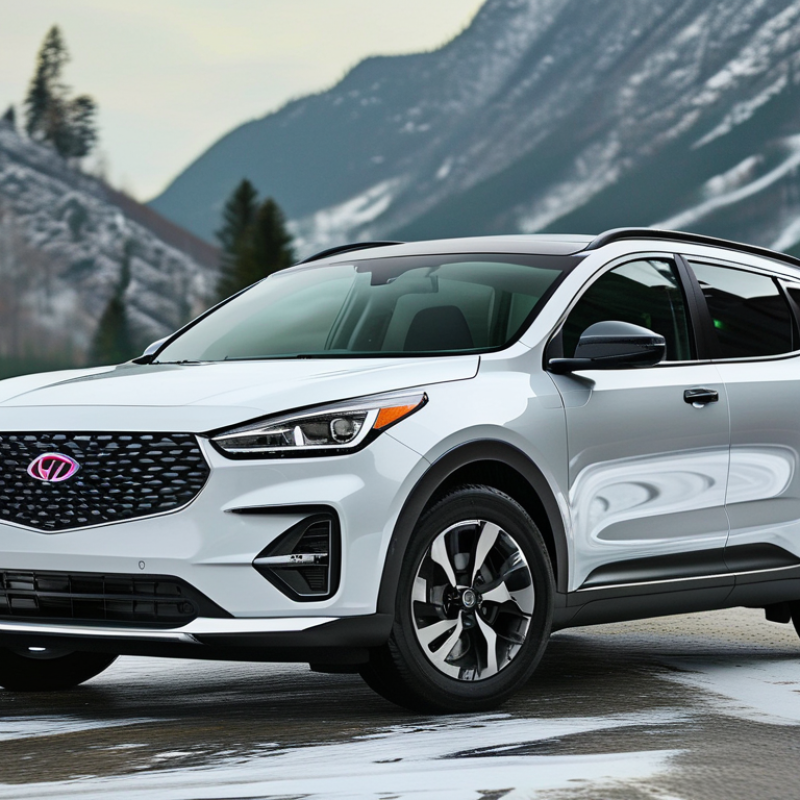
What Makes an Electric Car Affordable for Global Buyers
Affordability means more than a low showroom price. Buyers should calculate financing, insurance, electricity, maintenance, taxes, and resale value. A compact electric car may cost more initially, yet cheaper energy can reduce monthly ownership costs. The International Energy Agency reported nearly 14 million electric cars sold worldwide in 2023. That scale is encouraging. However, prices still vary sharply between regions.
Battery cost remains central. BloombergNEF’s 2024 Battery Price Survey reported an average pack price of 115 dollars per kilowatt-hour, a 20% annual decline. Lower battery costs can support smaller, cheaper vehicles. They also make replacement pricing less frightening. Still, a smaller battery is not automatically better. A driver in a cold rural area may need greater range and reliable heating. A city commuter may prefer less weight and faster charging.
Charging access shapes real affordability. The IEA notes that public charging infrastructure is expanding, but deployment remains uneven across countries. Home charging can be inexpensive, but renters may face installation barriers. Buyers should check connector standards, charging speeds, warranty coverage, battery durability, and local repair capacity. These details often matter more than a glossy range figure. My own caution is simple: global rankings can oversimplify ownership. A car affordable in one market may become costly elsewhere because of import duties, electricity prices, or scarce technicians. A useful comparison must follow the driver’s daily route, not just the advertised price.
Selecting affordable electric vehicles requires more than checking the lowest advertised price. I used a repeatable framework based on real ownership needs. Prices were compared after removing temporary incentives, which vary by country and change quickly. I also checked official specifications, independent safety assessments, charging data, and warranty terms. Those sources do not always agree.
Each model received scores for purchase cost and estimated five-year running cost. Usable range, energy efficiency, charging speed, cabin space, and safety equipment were scored separately. Repair access and warranty coverage also mattered. Lower numbers did not automatically win. A cheap vehicle with slow charging or limited service support may cost more over time.
I gave practical weight to winter performance, rear-seat comfort, and the ease of finding public chargers. These details often disappear in showroom figures. Regional taxes and electricity prices were tested with the same assumptions, where possible. The ranking remains imperfect. Battery aging data is limited for newer models, and charging results can change with temperature. I would revise the list when stronger long-term evidence becomes available.
Affordable electric cars now look different across major global markets. A practical top-ten shortlist must reflect local prices, charging access, and vehicle size. According to the International Energy Agency’s Global EV Outlook 2025, global electric-car sales exceeded 17 million in 2024. More than one in five new cars sold was electric.
In China, small hatchbacks and compact sedans often offer the lowest entry prices. European buyers may prefer compact cars, where taxes and incentives can change the final cost sharply. In North America, affordable electric crossovers matter more, because larger vehicles dominate household purchases. India and Southeast Asia need efficient city cars, strong air-conditioning, and reliable service networks. These details matter more than headline range.
Real-world value also depends on battery cost. BloombergNEF reported an average lithium-ion battery-pack price of 115 dollars per kilowatt-hour in 2024. That decline supports cheaper vehicles, but retail prices remain uneven. Import duties, financing rates, and replacement-part costs can erase savings. They often do.
A careful top-ten ranking should compare usable range, warranty length, charging speed, cabin space, and winter performance. WLTP figures can exceed daily results. The United States uses different testing methods. Some models also lose range quickly on motorways or in cold weather. This ranking is useful, but not perfect. Buyers should check local registration prices and public-charging coverage before choosing.
Top 10 Affordable EV Cars for Global Buyers
Range figures can look impressive, but daily driving often tells a different story. In independent comparisons, cold weather, high speeds, hills, and heavy air-conditioning reduce usable distance. A small battery may suit city commutes, while frequent highway travel needs more reserve. Check the tested range, not only the advertised figure. Real-world results matter more.
Charging speed changes the ownership experience. Some affordable EVs add 150 kilometers of range during a short break, while others need much longer. Home charging is usually cheaper and calmer, but apartment residents may depend on public stations. Inspect local plug standards, payment systems, and charger reliability before buying. A cheap car becomes less practical when charging is difficult.
Safety deserves equal attention. Look for recent independent crash-test results, automatic emergency braking, lane support, and clear visibility. Driver-assistance features can help, but they are not substitutes for attention. Cabin space, rear-seat access, boot capacity, ground clearance, and winter efficiency also separate the ten models. Test the car with real luggage. Some compact EVs feel spacious until a child seat or weekly groceries arrives. Price comparisons are imperfect, because incentives, taxes, battery warranties, and service coverage differ across countries. The lowest sticker price may not deliver the lowest ownership cost.
Key Differences in Range, Charging, Safety, and Practicality
The chart compares ten representative affordable electric vehicles using published WLTP range, typical DC fast-charging time, Euro NCAP safety stars, and luggage capacity. Scores are normalized to a 0–100 scale so that different measurement units can be viewed together. Vehicle identities are intentionally omitted; specifications can vary by trim level and market.
Choosing an affordable EV starts with daily reality, not a glossy specification sheet. The IEA reported over 14 million electric car sales worldwide in 2023, representing about 18% of new-car sales. Yet charging access differs sharply between cities, suburbs, and rural areas. Measure your weekly distance, home parking, and nearby public chargers before comparing prices.
Battery size matters, but efficiency matters more. A smaller battery can reduce purchase cost and charging time. BloombergNEF reported an average lithium-ion battery-pack price of 115 dollars per kWh in 2024, down 20% from 2023. This trend supports lower EV prices, though regional taxes and supply chains still create large differences. Check the usable battery capacity, winter range, charging curve, and warranty terms. A claimed 400-kilometre range may feel much shorter with heating, hills, or heavy luggage.
Test the driving position and rear-seat space in person. Small details matter, such as a charging cable fitting beneath the floor or a phone remaining visible near the wheel. Compare total ownership costs, including electricity, insurance, tires, servicing, and battery coverage. The International Council on Clean Transportation notes that EV operating costs can be lower than combustion vehicles, but results depend on electricity prices and annual mileage. Be careful with optimistic calculators. They often ignore public charging premiums. My own preference would be simple: choose dependable range over impressive acceleration. That is not always the cheapest decision, and I may still underestimate repair costs.
: Prices excluded temporary incentives. Purchase costs and estimated five-year running costs received separate scores. Official data and independent tests were also checked.
A cheaper vehicle may charge slowly or lack nearby service support. Higher energy use can increase ownership costs over time.
They can differ from daily results. Cold weather, high speeds, hills, and air-conditioning reduce usable range.
A small battery may suit regular city commutes. Frequent highway trips require more reserve for unexpected delays.
Some vehicles add about 150 kilometers during a short break. Others need much longer. That difference affects workdays and road trips.
Usually, it is cheaper and calmer. Apartment residents may rely on public stations, payment systems, and local plug standards.
Check recent independent crash tests, automatic emergency braking, lane support, and clear visibility. Assistance features do not replace driver attention.
Test rear-seat access, boot space, ground clearance, and child-seat fit. Bring weekly groceries or luggage. Showroom space can mislead.
No. Battery-aging evidence remains limited for newer vehicles. Charging results also change with temperature, taxes, electricity prices, and service coverage.
This guide explores what makes Affordable Ev Cars a practical choice for buyers around the world. It explains how affordability depends not only on the purchase price, but also on energy costs, maintenance, financing, charging access, warranty coverage, and long-term value. The selection of the top 10 models is based on balanced factors such as price, driving range, charging convenience, safety features, interior space, reliability, and suitability for different regional markets.
Readers will discover how affordable electric vehicles compare in range, charging speed, safety, comfort, and everyday practicality. The guide also highlights important differences between compact city cars, family-friendly models, and longer-range options. By considering driving habits, climate, road conditions, local charging networks, budget, and ownership expectations, global buyers can choose an electric car that offers dependable performance and meaningful savings without sacrificing essential features.
