 Tianli
Tianli
Tianli
Direct supply paths for globally recognized new energy vehicles and cross-platform configurations.
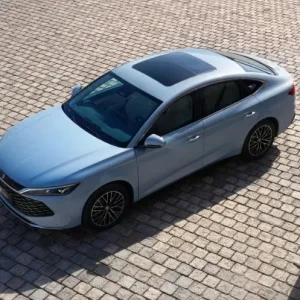
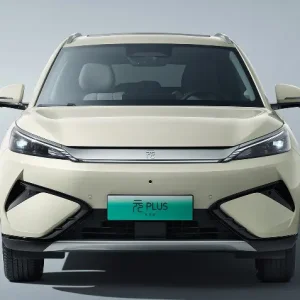
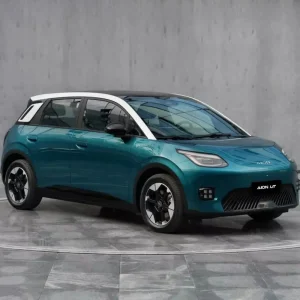
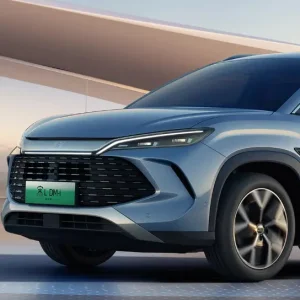
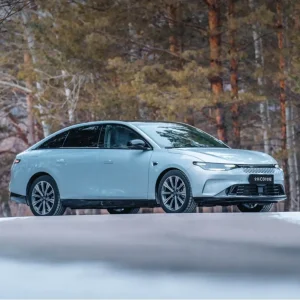
Pioneering Global Supply Chain Architectures for New Energy Mobility & Integrated Security Systems
Shandong Tianli International Trade Group operates at the convergence of advanced automotive trading ecosystems and next-generation unmanned aerial system (UAS) detection and countermeasure platforms. As an authorized export specialist with credentials certified by the Ministry of Commerce of China, Tianli provides institutional buyers, global auto dealers, and government fleets with unified, one-stop parallel automotive procurement protocols.
Our double-engine portfolio balances green transportation assets—including high-volume parallel electric vehicle exports, specialized OEM/ODM options, and customized multi-purpose cargo tricycles—with industrial-grade UAS protection matrices that safeguard supply networks against security vulnerabilities in low-altitude airspace.
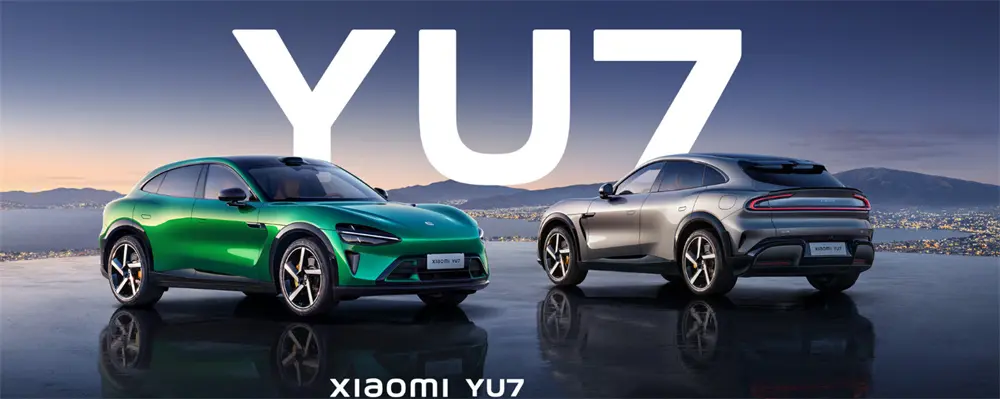
The global automotive ecosystem is undergoing a dramatic structural transformation. While luxury and premium battery electric vehicles (BEVs) captured initial consumer attention, market maturity has shifted the focal point of demand toward capital-efficient, high-utility, and cheap, affordable cars. According to recent international shipping data and localized dealer registries, the demand curve is climbing fastest in developing economies, mid-tier logistics operations, and cost-conscious urban transport fleets.
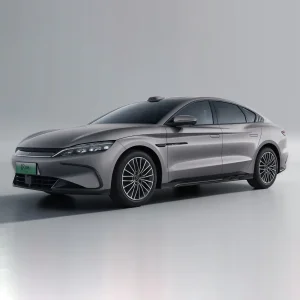
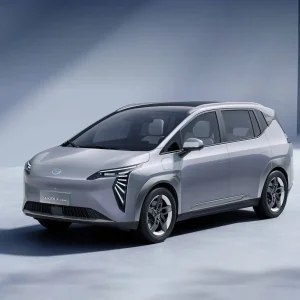
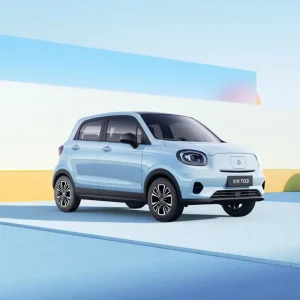
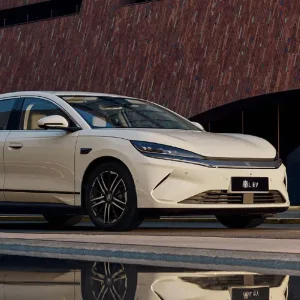
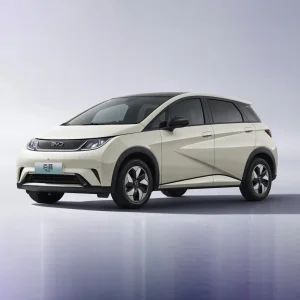
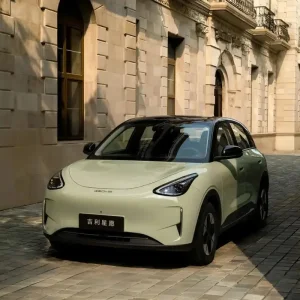
Historically, the prefix "cheap" implied a compromise in component quality, build integrity, or safety parameters. However, contemporary manufacturing networks have rewritten this equation. Through automated production facilities, gigafactory clustering, and unified parallel auto export pathways, affordable vehicle factories can supply highly competitive platforms (such as the BYD Dolphin, AION UT, and Leapmotor T03) that balance cost and performance. This paradigm shift democratizes access to green transportation, permitting municipal authorities and commercial operators to execute fleet electrification programs without capital expenditure overruns.
In terms of industrial scale, the parallel auto export model acts as a vital bridge. Instead of waiting for regional corporate distribution networks to establish localized sales nodes, global buyers source zero-mileage vehicles directly from production hubs. This arbitrage mechanism allows international dealerships to acquire high-demand passenger and commercial vehicles at competitive price points, securing optimized margins in an environment characterized by inflation and supply chain volatility.
China’s dominance in the global NEV manufacturing landscape is built on vertical integration, geographic clustering, and massive capital infrastructure investments. Shandong Tianli International Trade leverages these structural strengths to maintain a stable, resilient export conduit that regularly channels at least 200 electric vehicles per month to international terminals.
The efficiency of these factories relies on key pillars:
Direct proximity to critical semiconductor, battery, and powertrain hubs eliminates long-distance component freight costs, transferring savings directly to the import partner.
Every zero-mileage vehicle undergoes a multi-point mechanical, electronic, and battery-health diagnostic checklist to guarantee conformity to export standards before loading.
Affordable cars from advanced factories are designed to serve diverse localized environments across several major application areas:
A. Urban Fleet Electrification & Commercial Logistics: In high-density cities, small-footprint EVs like the AION Y and Leapmotor T03 are ideal for last-mile delivery services, municipal service workers, and ride-hailing networks. Their compact dimensions, low energy consumption, and high uptime provide immediate operating advantages over internal combustion engine (ICE) fleets.
B. Agricultural & Regional Cargo Transit: Beyond traditional passenger vehicles, the integration of specialized electric three-wheel cargo platforms addresses localized transport needs in agricultural zones and peri-urban distribution terminals. These high-torque, cost-effective workhorses allow farmers and local merchants to transport cargo without the high fuel and maintenance costs of conventional utility trucks.
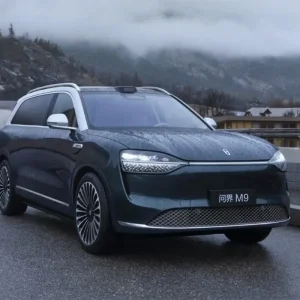
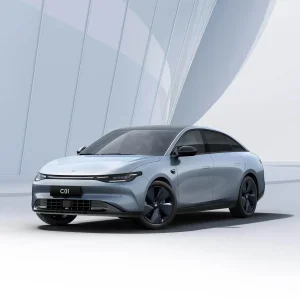
C. Public Sector and Institutional Shuttles: Universities, corporate parks, and regional airports deploy mid-sized NEVs and EREVs to handle localized passenger transit. By deploying models with hybrid or range-extended technologies (like the AITO M9 or Leapmotor C01 EREV), institutions eliminate range anxiety while maintaining low operating costs.
The developmental trajectory of leading affordable car factories is defined by continuous optimization across batteries, drivetrains, and security systems. As we look toward 2030, the technical roadmap centers on three key areas:
1. Solid-State & High-Density Sodium-Ion Battery Packs: While LFP remains the standard for cost-sensitive models, factories are preparing to integrate sodium-ion packs. These promise superior performance in cold climates and lower raw material dependencies, helping to stabilize pricing in the long term.
2. Unified Smart Cabin Architectures & Global OTA Capabilities: Future entry-level models will feature centralized electronic control units (ECUs). This allows over-the-air (OTA) updates to fix bugs, optimize thermal management, and improve driver-assistance systems (ADAS) without requiring in-person dealer visits.
3. Low-Altitude Airspace Security Integration: In industrial environments, vehicle shipping terminals, and high-value logistics hubs, managing security requires multi-dimensional solutions. Tianli's development of integrated UAS (Unmanned Aerial System) detection and countermeasure platforms addresses the security needs of modern depots, container yards, and vehicle staging areas. By combining automotive logistics with low-altitude drone defense networks, we offer commercial partners protection against modern aerial risks.
Navigating cross-border regulatory frameworks is one of the biggest challenges for automotive importers. To simplify this process, Tianli provides structured compliance pathways that cover the entire transaction cycle:
A statistical overview of our manufacturing network, global export volume, and industry footprint.
Providing end-to-end supply chain integration, secure transactions, and localized solutions.
Access passenger sedans, utility SUVs, commercial logistics trucks, and electric cargo tricycles through a single supply channel. We manage multi-brand logistics and export filings, saving your procurement team time and effort.
We configure vehicles to meet the environmental demands of your destination market, adjusting battery thermal management profiles for warm climates and providing customized options for special commercial tasks.
We protect logistics networks with defense countermeasures designed to secure shipping hubs, rail yards, and cargo ports against unauthorized drone operations, ensuring your transit corridors remain safe.
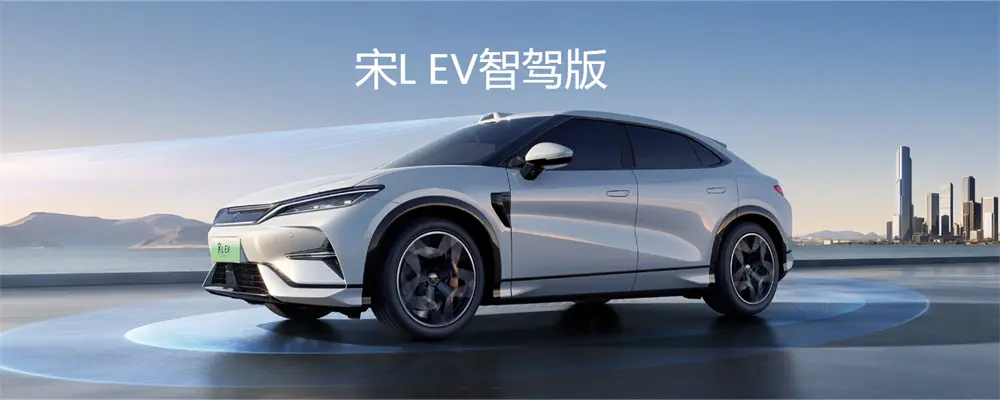
Direct comparisons of parallel export frameworks vs. traditional retail sourcing channels.
Through our parallel export networks, international dealerships and fleet operators bypass intermediate regional distributors. This direct supply channel provides access to domestic vehicle inventories, allowing buyers to secure high-demand models with competitive pricing and shorter lead times.
Every vehicle undergoes a detailed pre-delivery inspection (PDI) at our Shandong facility. Our logistics coordinators then manage the shipping process, arranging container packing and marine insurance to ensure your fleet arrives safely at your port of destination.
Detailed answers to key operational, compliance, and logistics questions from international buyers.
Connect with our parallel export logistics team. Receive current pricing matrices, shipping schedules, and model compliance overviews within 24 hours.
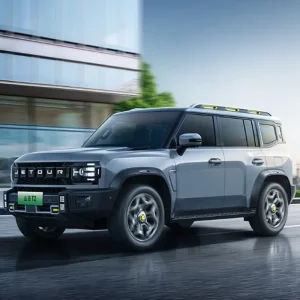
Explore additional vehicle options, including range-extended powertrains and luxury passenger SUVs.