 Tianli
Tianli
Tianli
Explore our specialized hardware array, integrating automotive-grade stability and advanced industrial low-altitude control components.
A technical whitepaper examining the intersection of Ground Control Station (GCS) design, optic luminance, and low-altitude system defense.
In modern low-altitude unmanned aerial systems (UAS) operations, the display interface acts as the critical bridge between operator cognition and machine execution. Whether controlling industrial mapping drones, agricultural spraying platforms, or deploying tactical UAS countermeasures, the screen is the primary portal for real-time telemetry, spatial data, and high-fidelity video feeds. A generic, off-the-shelf display panel is fundamentally insufficient to meet the extreme demands of field operations. True operational efficiency requires specialized, OEM-engineered display panels optimized for ruggedization, optical performance, and extreme environments.
As a leading comprehensive supply chain solutions provider, Tianli International Trade Group utilizes its deep expertise in both automotive-grade display integration and UAS detection and countermeasure systems. We design, manufacture, and integrate high-brightness, military-grade OEM drone screen modules that form the backbone of next-generation Ground Control Stations (GCS). Our manufacturing footprint leverages China's advanced display panel ecosystem, delivering state-of-the-art optical bonding, electromagnetic compatibility (EMC) shielding, and dynamic thermal management.
"OEM Drone Screen development is no longer just about resolution. In mission-critical environments, success is determined by sunlight readability index, anti-jamming resilience, touch responsiveness under extreme precipitation, and seamless integration with tactical defense architectures."
Understanding user intent and operational reality is the core of our technical methodology. Outdoor drone pilots work in uncontrolled environmental illumination, ranging from direct glare in desert conditions to highly scattered light in maritime environments. Standard displays fail immediately due to internal reflections and thermal shutdown. By understanding these failure modes, our OEM screen solutions incorporate advanced optical designs, including anti-reflective (AR), anti-glare (AG), and anti-fingerprint (AF) multi-layer physical vapor deposition (PVD) coatings, alongside dry or wet optical bonding processes to eliminate internal air gaps entirely.
Analyzing field performance requirements across specialized commercial, industrial, and defense vectors.
Agricultural drone operations require screens that resist chemical corrosion from aerial fertilizers and remain readable under clear mid-day skies. Our OEM displays feature specialized oleophobic coatings and high-luminance backlights (exceeding 1500 nits) to allow drone operators to track autonomous multi-spectral flight patterns without eye strain or viewing fatigue.
Tactical operators require screens with night-vision goggle (NVG) compatibility, low electromagnetic signature (EMI), and highly secure digital interfaces. Embedded directly into low-altitude UAS defense architectures, our OEM screens support secure dual-mode thermal imaging overlay pipelines, critical for tracking illicit drone threats in real time.
Power transmission line and high-voltage grid inspection require displays with high electromagnetic immunity. Our screens are manufactured with custom ITO (Indium Tin Oxide) mesh shielding layers, preventing interference from high-voltage fields and ensuring stable telemetry stream rendering during complex flight operations.
Pioneering tomorrow's drone display technologies through integrated research and automotive manufacturing technology transfer.
The next phase of drone display evolution merges high-brightness hardware with localized spatial computing. Over the next five years, the industry will pivot away from traditional LED-backlit LCD displays toward self-emissive technologies. We are actively investing in the integration of Micro-LED panel arrays. Micro-LED technology offers several distinct advantages over traditional TFT-LCDs: extreme pixel brightness (up to 4000 nits) without excessive thermal generation, sub-microsecond response speeds, and significantly reduced power consumption, which helps extend GCS battery life.
Simultaneously, we are implementing dual-layer polarized glass and integrated AR overlays directly into the screen stack. This allows remote pilots to view flight paths, synthetic vision systems (SVS), and real-time obstacle warning markers projected directly onto their display without relying on bulky headsets. This technical roadmap bridges our automotive sector expertise (specifically smart HUDs and digital cockpit displays) with our defense-focused UAS division, delivering robust, high-performance tactical hardware.
How our manufacturing cluster in Shandong delivers unparalleled efficiency, precision engineering, and cost advantages.
The production of high-performance OEM drone displays requires a complex supply chain. It demands access to specialized glass substrates, driver ICs, high-precision backlights, optical bonding resins, and cleanroom facilities. China's industrial manufacturing clusters, particularly in the Shandong and Shenzhen economic regions, offer unmatched supply chain integration. This concentration of resources enables rapid prototyping, allowing custom designs to progress from initial CAD blueprints to functional tactile samples in just a fraction of the time required elsewhere.
At Shandong Tianli International Trade, we optimize these domestic supply chains to benefit our international clients. Because our factory is integrated with both high-capacity automotive electronics assembly lines and precision defense system testing fields, we utilize rigorous testing procedures (including shock, thermal cycle, and humidity resistance testing) at a lower per-unit cost. This close integration allows us to offer competitive pricing and flexible volume minimums, while maintaining a consistent monthly delivery capacity of over 200 high-end vehicle and UAS control units.
"Our end-to-end supply chain integration ensures that components move seamlessly from cleanroom lamination to automated inspection, reducing defect rates to less than 0.05%."
We bridge advanced automotive supply chains and cutting-edge low-altitude security platforms.
Driven by information technology and optimized logistics, Tianli International Trade Group maximizes customer value while minimizing waste. We are committed to a green and sustainable future. Our technologies support smart city infrastructure and empower emerging low-altitude economies by providing reliable, high-performance display terminals and integration services.
From parallel auto exports to specialized tactical GCS screens, our team manages everything: procurement, export certification, quality inspection, and global customs support, ensuring a smooth, reliable purchasing experience.
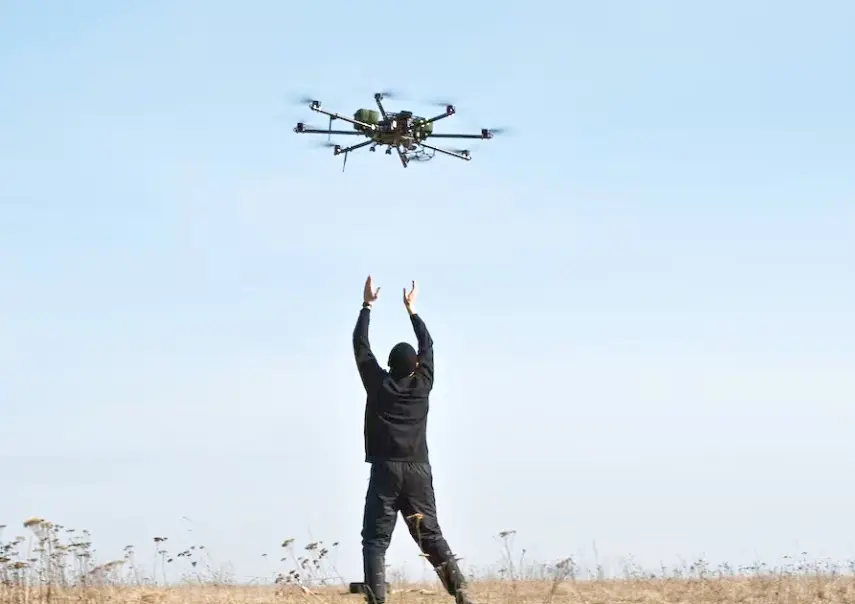
High-end cleanroom technology, optical bonding, and automotive-grade design validation.
Global engineering standards backed by export licensing and comprehensive regional warranties.
Deploying display technologies and drone components internationally requires navigating complex technical standards and regulatory requirements. Our OEM drone screen projects comply with key international certifications, including CE, FCC, RoHS, and MIL-STD-810H. This ensures that every monitor and integrated ground control station we ship is safe, reliable, and compliant with environmental regulations in North America, Europe, and the Middle East.
We combine this compliance with localized technical support. Through our global distributor network and brand partnerships, we offer on-site engineering assistance, spare parts support, and display panel replacement services to minimize downtime for industrial operators. Additionally, as an exporter certified by the Ministry of Commerce of China, we manage all necessary documentation and export compliance, ensuring reliable transit and delivery times for our clients.
Technical answers to critical questions about panel customization, optical performance, and procurement.
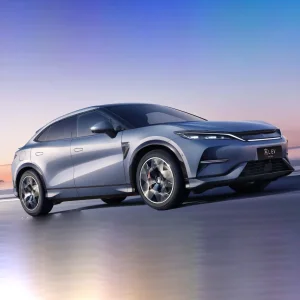
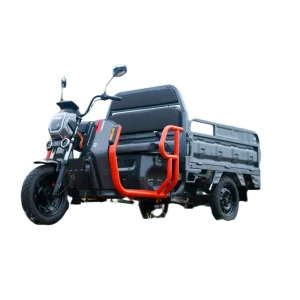
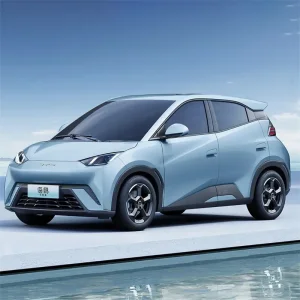
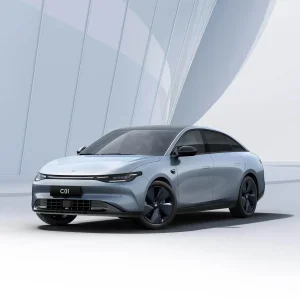
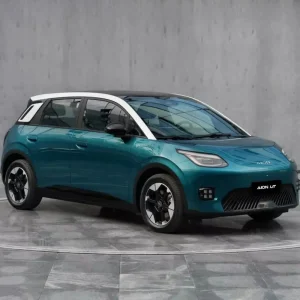
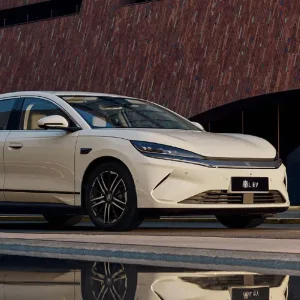
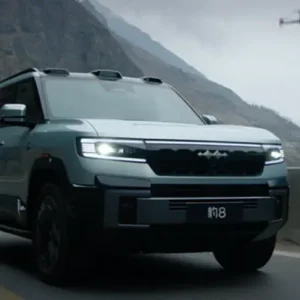
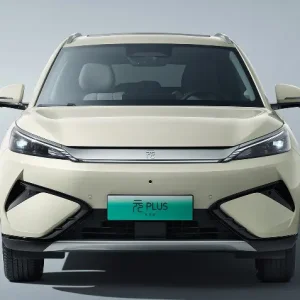
Browse our selection of modern energy vehicles and tactical transport platforms, all backed by our international delivery network.
For custom display panels, low-altitude UAS configurations, and detailed pricing estimates, submit your inquiry below. Our support team will reply within 24 hours.
Send Inquiry Now