 Tianli
Tianli
Tianli
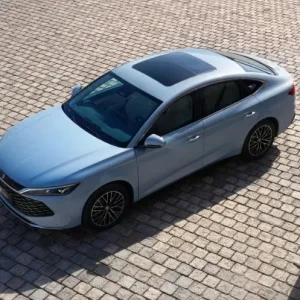
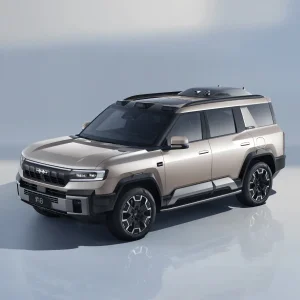
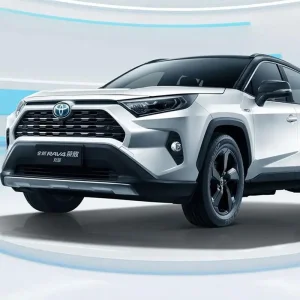
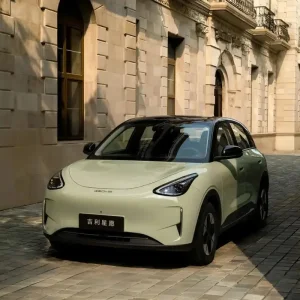
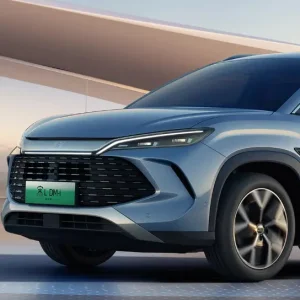
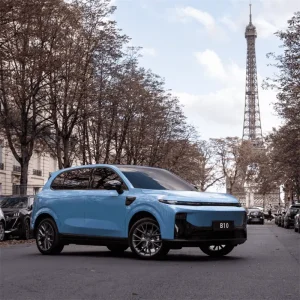
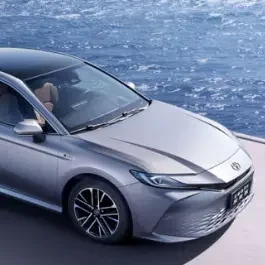
Select from our globally verified catalog of top-tier micro-mobility, hybrid, and full EV models sourced via parallel systems.
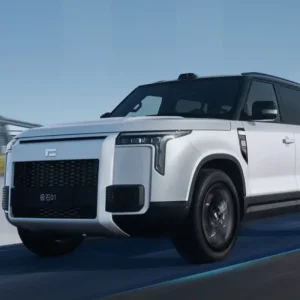
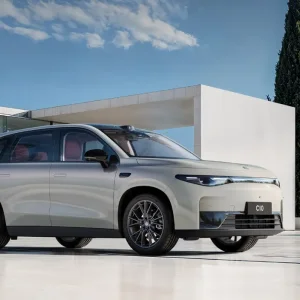
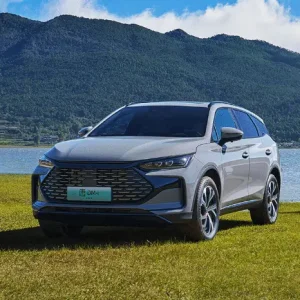
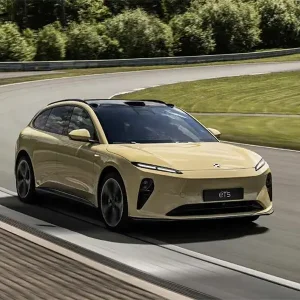
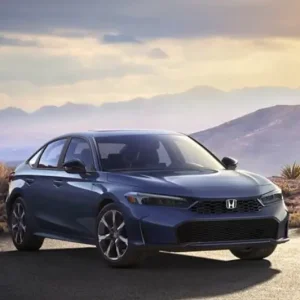
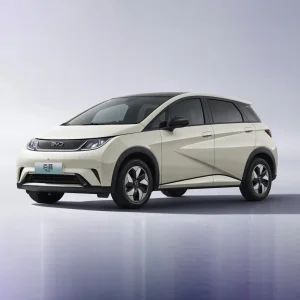
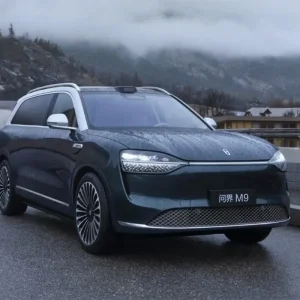
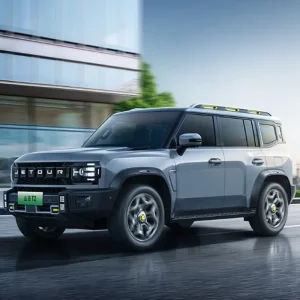
Bridging the gap between Chinese advanced manufacturing and global automotive demand.
Tianli International Trade Group operates as a comprehensive supply chain solutions provider, specialized in solving sourcing constraints for international dealers. We guarantee a stable parallel supply channel for all primary vehicle manufacturers and brands within the Chinese domestic market, ensuring rapid export deployment.
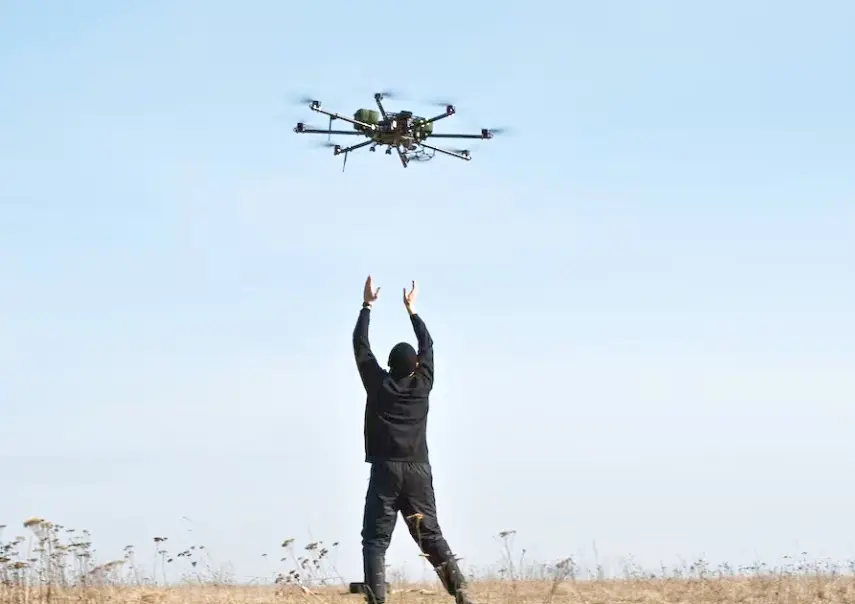
Expanding beyond conventional transport, our defense division researches and deploys right-sized low-altitude security solutions. We build comprehensive Unmanned Aerial System (UAS) countermeasure defenses, targeting tactical identification, tracking, and localized signal mitigation for smart infrastructures.
Leveraging Chinese Ministry of Commerce certified export qualifications, we manage everything from vehicle verification, zero-mile pre-owned certifications, export license issuance, to custom border clearances, with an active distribution potential exceeding 200 units monthly.
In response to dense urbanization, rising fuel costs, and aggressive Net-Zero policies, small electric vehicle (EV) classes (including A00, A0, and micro-electric options) have transitioned from simple neighborhood commuters to vital components of clean logistics networks. Regulatory policies in high-density urban areas like Europe’s Low Emission Zones (LEZs) and South America’s high-traffic zones are forcing fleet operators to reassess total cost of ownership (TCO). This transition places a heavy premium on small EV platforms that offer high energy density, maneuverability, and minimal footprint.
Chinese manufacturers have taken a leading role in this segment. By leveraging domestic battery material clusters, they have scaled up production capacity for high-durability Lithium Iron Phosphate (LFP) cells. These packs provide excellent thermal stability and cyclic longevity at a lower manufacturing cost than ternary NMC cells. For international importers, procurement from China is no longer just a cost-benefit calculation; it is a vital strategy to secure vehicles that feature highly integrated battery packs and integrated battery thermal management systems (BTMS).
| Vehicle Classification | Typical Battery Chemistry | Average WLTP Range | Ideal Localized Use-Cases | Regulatory Alignment |
|---|---|---|---|---|
| Micro EV (L6e/L7e) | LFP (Lithium Iron Phosphate) | 80 - 150 km | Last-mile urban delivery, micro-logistics, college campuses | Easy homologation, reduced insurance premiums |
| A00 Compact Hatchbacks | LFP / Sodium-ion | 150 - 300 km | Daily commuter fleets, municipal inspections, car-sharing apps | WLTP / UNECE certification compliance |
| A0 Smart Sedans & SUVs | NMC / Advanced LFP | 300 - 450 km | Inter-city commuting, corporate motor pools, ride-hailing services | Euro NCAP 4-Star+, full UNECE homologation |
The manufacturing efficiency of Chinese EV gigafactories relies on highly integrated, geographically concentrated component ecosystems. Commonly referred to as the "four-hour supply chain circle," key components like traction motors, drive controllers, thermal management systems, and battery packs are manufactured by suppliers located in close proximity. This geographic density minimizes logistics delays, shields production lines from geopolitical shipping issues, and allows for rapid product iterations based on global field feedback.
Tianli International Trade Group coordinates directly with these advanced manufacturing clusters. By establishing parallel export pathways, we bypass typical distribution delays and secure zero-mile pre-owned inventory and new build allocations. Our strategic location near primary shipping hubs ensures seamless transport from factory gates to major export ports. We handle critical details, including securing export licenses, scheduling ocean shipping (using RORO or high-security container configurations), and managing customs documentation to protect dealer margins and keep lead times predictable.
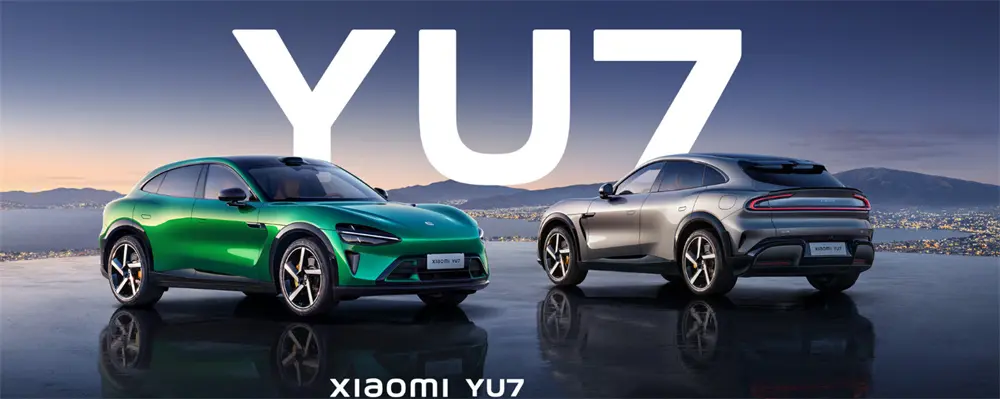
Modern Chinese small EV design relies on highly integrated 3-in-1 or 8-in-1 electric drive units. These systems package the motor, inverter, transmission, and power distribution systems into a single compact housing. This design saves weight, increases cabin space, and improves electrical efficiency. Tianli partners with top brands to export vehicles built on these unified architectures, ensuring ease of maintenance and reliable component support.
Sourcing small electric cars requires matching technical specs to local operational realities. The applications for compact vehicles vary widely across different global regions:
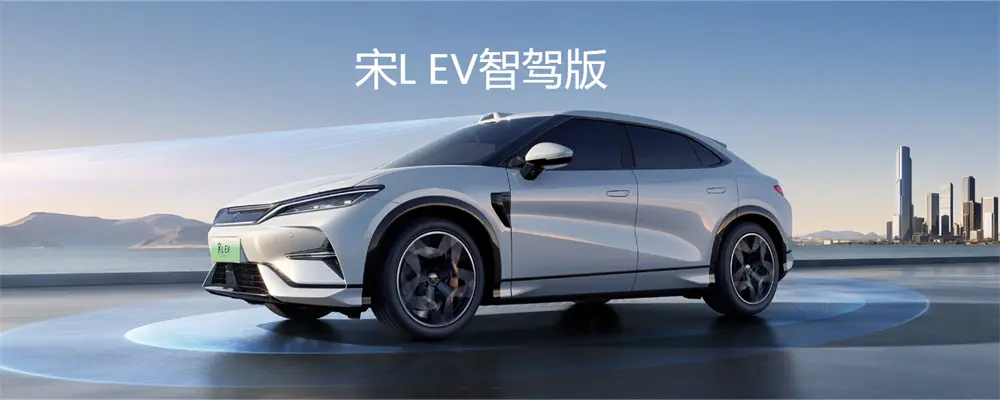
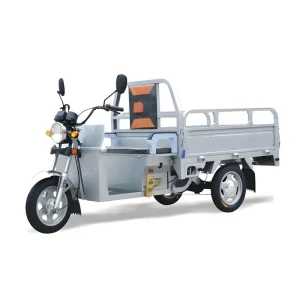
By utilizing specialized light commercial electric tricycles and compact micro-vans, regional distribution networks can cut last-mile delivery costs. Our vehicles provide water and weather resistance, optimized cargo dimensions, and low power requirements per charge cycle.
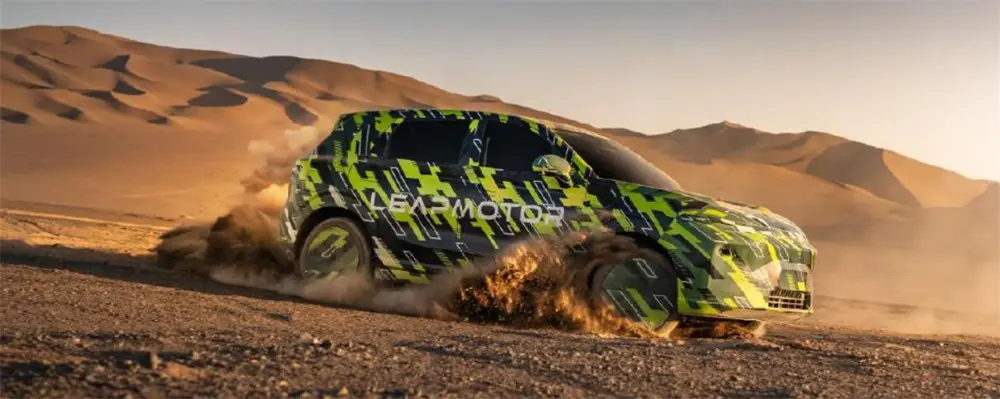
Our parallel import channel provides immediate access to major brands like BYD, Leapmotor, and AITO. Importers can scale up their corporate rental, ride-sharing, or utility fleets quickly, backed by our technical assistance, replacement parts supply, and diagnostic software integrations.
The small electric vehicle sector is undergoing significant engineering changes. Over the next five years, several emerging technologies are expected to reshape procurement specifications:
For entry-level city commuters, sodium-ion batteries represent a viable alternative to lithium-based chemistries. Sodium chemistry offers better performance in sub-zero temperatures, reduces reliance on expensive lithium carbonate, and lowers the risk of thermal runaway. Several manufacturers are beginning to offer sodium-ion configurations for city hatchbacks, making them well-suited for colder climates.
High-voltage 800V architectures are transitioning down from luxury segment vehicles to high-volume, compact electric cars. Sourcing vehicles equipped with high-voltage architectures reduces DC charging times to under 15 minutes for a 10% to 80% charge cycle. This change improves vehicle uptime for taxi and ride-sharing operations.
Modern micro-EV platforms are incorporating sophisticated Level 2 driver assistance features. Automated emergency braking (AEB), lane-keep assist, and blind-spot detection systems are becoming standard equipment, driven by safety tests like Euro NCAP. This ensures that smaller EV imports provide safety performance comparable to larger passenger vehicles.
Successfully importing electric vehicles requires navigating complex regional compliance standards. Sourcing without planning for local regulations can leave vehicles held up at ports of entry, incurring demurrage fees. Importers must confirm that vehicles meet their local safety and emissions guidelines:
In Europe, passenger vehicles require Whole Vehicle Type Approval (WVTA) or individual vehicle approvals, while micro-mobility configurations must meet L6e/L7e category rules. In the Middle East and Gulf regions, imported vehicles must comply with GCC Standardization Organization (GSO) hot-climate tolerances. This requires specific battery cooling configurations and durable cabin materials to withstand extreme temperatures.
Tianli helps clear these hurdles. Our team verifies that each vehicle batch meets regional electrical standards, has the correct charging port configuration (Type 2, CCS2, or GBT, with adapters provided as needed), and includes correct technical documentation. Our diagnostic and maintenance support helps local technicians troubleshoot and repair advanced vehicle control systems, ensuring long-term reliability for your imports.
Tianli handles complex international logistics, including maritime transport and customs clearance. We track and verify export approvals, manage transport booking, and oversee pre-shipment quality checks to ensure your vehicles arrive at destination ports in prime condition.
Essential insights on sourcing, compliance, warranties, and shipping for global importers.
Explore our diverse lineup, including fuel-efficient hybrids, plug-in hybrids, and heavy-duty three-wheeled electric transport vehicles.