 Tianli
Tianli
Tianli
Engineered for high-humidity, high-density traffic distribution routes in Malaysia
Tianli International Trade Group stands as a premier supply chain solutions provider, delivering cutting-edge logistics and vehicle technologies globally. With the export qualification certified by the Ministry of Commerce of China and strong agency agreements with leading electric vehicle platforms, we serve as a vital conduit of clean energy transport for Malaysia's growing industrial needs.
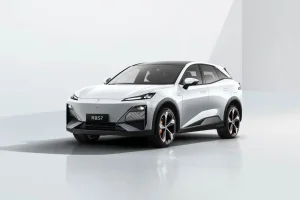
Our core framework spans two key sectors: Automotive & Commercial Fleet Solutions (covering new energy passenger cars, electric light commercial vehicles, and heavy-duty cargo tricycles) and Smart Low-Altitude Security Infrastructures. We unify these capabilities to deliver intelligent, safe, and highly integrated solutions for modern smart cities.
By coordinating manufacturing precision, shipping logistics, and customs clearance, we empower corporate fleets across Kuala Lumpur, Shah Alam, and Port Klang with turn-key EV deployment.
The urban landscape of Kuala Lumpur, characterized by dense corridors like Bukit Bintang and highly populated residential regions throughout the Klang Valley, is experiencing a fundamental shift in logistics and goods transport. With Malaysia's Low Carbon Mobility Blueprint (LCMB) 2021-2030 actively steering municipal fleets and commercial logistics companies toward carbon neutrality, the integration of light-weight electric cargo vehicles has accelerated.
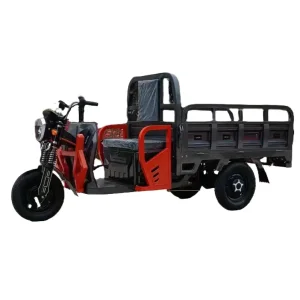
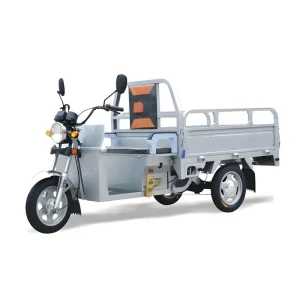
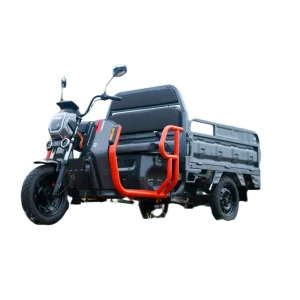
Traditional diesel and petrol-powered delivery vans are facing growing challenges. Increasing congestion, narrow access roads in historic commercial sectors, and rising fuel overheads degrade delivery margins. Electric three-wheelers (E-tricycles) present a key strategic solution. They bypass structural traffic constraints, carry high payloads up to 800 kilograms, and operate at a fraction of the cost compared to light commercial internal combustion engine (ICE) vehicles.
Additionally, local delivery networks—including POS Malaysia, DHL eCommerce, and regional distribution partners—are actively piloting smaller footprint EVs. The high humidity and seasonal tropical rainfall patterns in Kuala Lumpur require vehicles engineered with robust anti-corrosion properties and highly insulated, IP67-rated electrical architectures, ensuring reliability under extreme climate stresses.
A closer look at the battery systems, motor efficiency, and chassis engineering deployed in our latest configurations.
Equipped with high-density Lithium Iron Phosphate (LiFePO4) chemistries, our e-tricycles deliver 2,000+ charging cycles with superior thermal stability. This chemistry minimizes fire hazards in tropical conditions and maintains high volumetric efficiency over years of intensive daily operation.
Integrated CAN-bus Battery Management Systems allow fleet operators to monitor real-time thermal status, state of charge (SoC), and diagnostic faults. Our vehicles support GPS tracking integrations, enabling dispatch systems to optimize routes based on accurate battery life forecasts.
Chassis are constructed from high-strength structural carbon steel, processed through precision robotic welding and double-stage anti-rust electrophoretic painting. The front hydraulic forks and rear leaf spring suspensions are calibrated to maintain stability under payloads exceeding 800kg.
Our vehicles are designed to integrate seamlessly into diverse industrial frameworks, ensuring maximum operational uptime and custom adaptation.
High-volume, locked box vans built onto 1.6M and 1.8M chassis configurations. Secure electronic lock mechanisms, waterproof seals, and modular interior dividers provide a highly organized last-mile logistics tool.
Specifically engineered with insulated compartment panels and independent, battery-powered micro-refrigeration units. These keep fresh produce and temperature-sensitive goods cool in tropical climates.
Open utility beds with hydraulic tipping controls or waste collection bins designed for urban street cleaning, park maintenance, and large-scale industrial facility operations.
To support massive commercial demand and guarantee mechanical consistency, our vehicles are built inside our modern China Factory 4.0 facility. Spanning 10,000 square meters, this plant integrates automation, quality checks, and custom fabrication stages:
By leveraging this scale of automation, we provide global fleets with consistent component quality, reliable part replacements, and steady containerized shipment schedules.
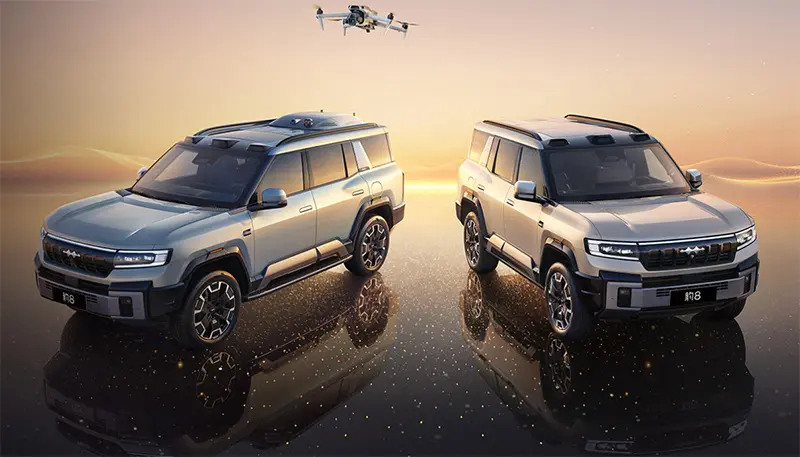
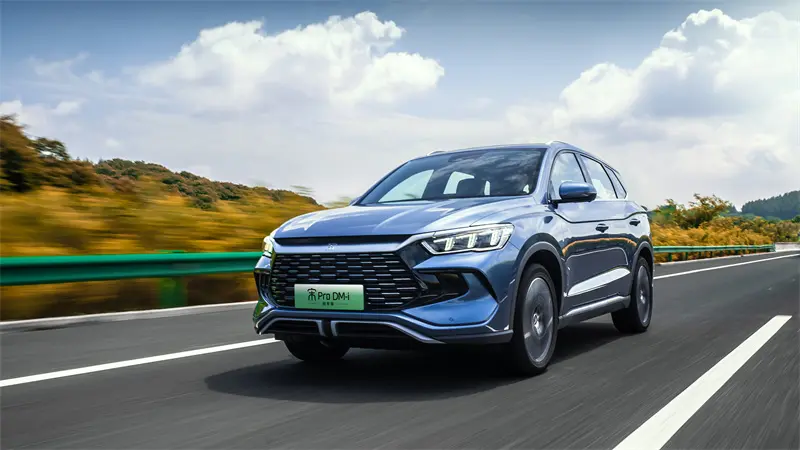
Navigating the import pathway for electric commercial fleets requires detailed coordination. We provide complete technical documentation and physical compliance support to align with Malaysian regulations:
Evaluating the long-term economic gains of shifting from traditional petrol cargo trikes to electric cargo models in Kuala Lumpur.
| Performance Metrics | Standard Petrol Cargo Trike (150cc) | Tianli Electric Cargo Tricycle (1.5M / 1.6M / 1.8M) | Strategic Advantage & Impact |
|---|---|---|---|
| Daily Operating Cost | MYR 18.00 - 25.00 (Fuel consumption) | MYR 2.50 - 4.00 (Electricity recharge) | Up to 85% reduction in daily energy overhead. |
| Preventive Maintenance | Engine oil changes, belts, spark plugs, filters | Brake pad replacements and tire rotation | Minimal moving parts reduce downtime. |
| Carbon Footprint | Direct CO2 emissions, carbon particulate matter | Zero direct emissions, eco-friendly green profile | Directly aligns with Malaysia's ESG compliance. |
| Climbing and Low-End Torque | Dependent on engine RPM and clutch slip | Instant torque delivery via direct-drive BLDC motor | Excellent performance on local slope climbs. |
| Vehicle Lifecycle | 3 - 5 Years (Intense mechanical wear) | 5 - 7 Years (Long-cycle LiFePO4 battery pack) | Prolonged asset lifecycle with lower replacement rate. |
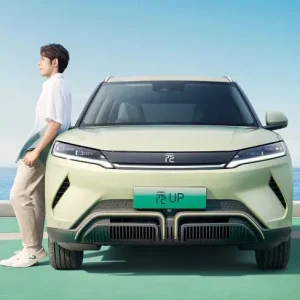
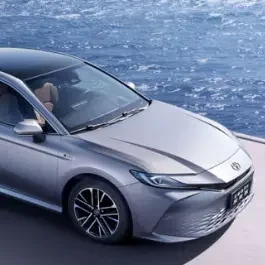
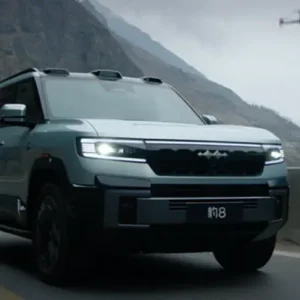
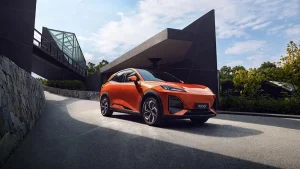
Explore our complete range of passenger electric vehicles, hybrid systems, and multi-functional cargo tricycles
Direct answers for logistics directors, procurement managers, and distributor partners
Request a complete cost analysis and customized technical configuration report for your fleet deployment in Malaysia.
Send Inquiry Now