 Tianli
Tianli
Tianli
Explore our premium range of PHEVs, Extended-Range Electric Vehicles (EREV), and state-of-the-art Unmanned Systems engineered for global export compliance.
How China's highly integrated supply chains and production capacity are reshaping global sustainable fleet transition.
The global automotive sector is undergoing a massive structural transformation. While battery electric vehicles (BEVs) face infrastructure-related bottlenecks in several emerging markets, Plug-in Hybrid Electric Vehicles (PHEVs) and Extended Range Electric Vehicles (EREVs) have established themselves as the optimal, zero-compromise alternative. China's industrial strategy has catalyzed this transition, positioning the country as the undisputed epicenter for hybrid component manufacturing, advanced dual-motor engineering, and complete vehicle integration.
From an industrial standpoint, Chinese PHEV manufacturers leverage a unparalleled vertical supply chain. The integration of Dedicated Hybrid Engines (DHE) featuring thermal efficiencies exceeding 46% alongside multi-mode Dedicated Hybrid Transmissions (DHT) allows these vehicles to achieve dynamic fuel-consumption rates lower than 4.0L/100km when operating on depleted batteries. This high degree of performance coupled with low operating costs has caused an influx of international B2B procurement requests, with logistics operators, government fleets, and car rental conglomerates actively restructuring their procurement portfolios to prioritize Chinese-sourced PHEVs.
Furthermore, Chinese suppliers have integrated localized product adaptations. Fleet operators in Central Asia, the Middle East, and Latin America are no longer just looking at pure pricing. They seek specialized chassis tunes, upgraded battery thermal management systems (BTMS) that resist extreme atmospheric conditions, and vehicle-to-load (V2L) functionalities capable of supporting mobile power applications. As a premier exporter, Tianli International Trade Group translates these regional challenges into verified vehicle configurations, bridging the gap between premium Chinese engineering and localized international requirements.
Tianli International Trade Group stands as a premier parallel auto exporter and highly specialized systems integrator. Operating with credentials certified by the Ministry of Commerce of China, our operations uniquely address two primary challenges of modern industrial environments: high-efficiency sustainable transport fleets and defense systems for low-altitude airspace.
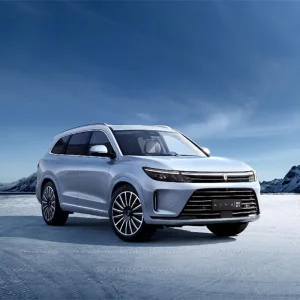
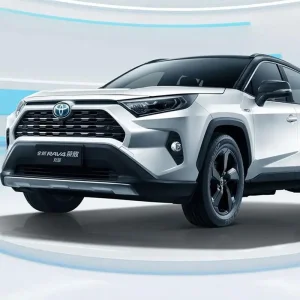
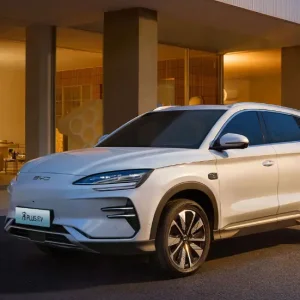
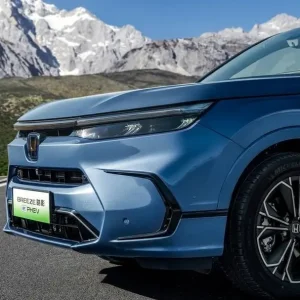
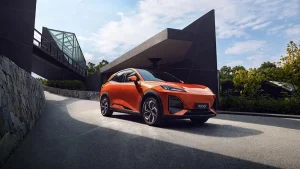
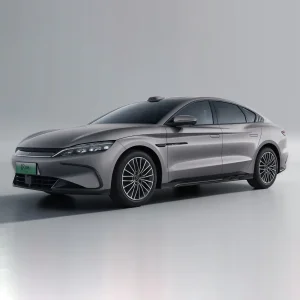
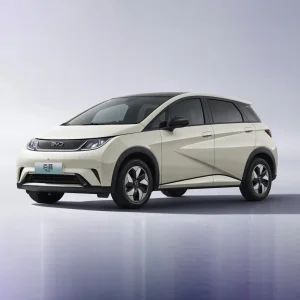
Our automotive solutions segment manages a comprehensive multi-brand parallel export platform. From compact passenger urban transit units like the BYD Dolphin, to midsize hybrid SUVs such as the Toyota RAV4 and Honda Breeze, up to premium high-end multi-purpose EREVs like the AITO M9, we secure consistent volume allocations at highly competitive manufacturer export pricing tiers.
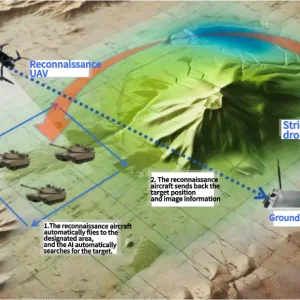
Simultaneously, our UAS Detection and Countermeasure wing designs custom, right-sized defensive systems for infrastructure sites, public sectors, and corporate facilities. We recognize that the rapid expansion of unmanned systems requires robust security parameters. Our integrated packages combine signal interception, radar tracking, and targeted neutralization components into a single, cohesive command-and-control dashboard.
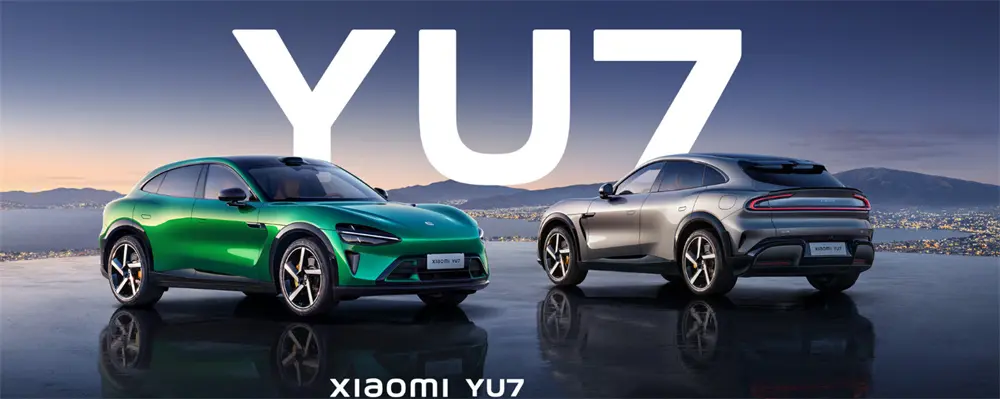
Direct channel access to China's leading hybrid models, consolidating procurement, regulatory compliance, quality inspection, and international multi-modal shipping logistics.
Confidential hardware/software integrations, providing strategic site protection utilizing advanced reconnaissance platforms and countermeasures.
Optimized parallel automotive trading structures bypassed intermediary price inflation, offering scalable B2B prices for dealers and international distributors.
Analysing the architectural differences, energy efficiencies, and future innovations defining the current market.
To establish competitive advantages, fleet managers and importers must distinguish between the technical pathways of PHEVs (Plug-in Hybrid Electric Vehicles) and EREVs (Extended Range Electric Vehicles). Both feature internal combustion engines and traction batteries, but their mechanical integration and operational profiles differ significantly:
PHEVs utilize a complex Dedicated Hybrid Transmission (DHT) that enables both the electric motor and the combustion engine to drive the wheels simultaneously or independently. At high highway cruising speeds, the engine locks directly to the drive axle, avoiding energy transformation losses. This makes PHEVs highly efficient for mixed regional delivery routing that alternates between stop-and-go city traffic and long-distance high-speed expressways.
EREVs operate strictly on electric propulsion. The onboard combustion engine serves solely as an electrical generator (range extender), charging the battery pack or sending electricity directly to the drive motor. Because the engine has no mechanical link to the wheels, it operates consistently at its peak efficiency curve. This simplifies transmission systems, reduces mechanical wear, and delivers a smoother driving experience similar to full BEVs.
Looking forward, the integration of Silicon Carbide (SiC) inverters and ultra-fast charging LFP (Lithium Iron Phosphate) chemistry is narrowing the charge-rate gap between hybrid and pure electric platforms. New hybrid iterations can charge from 30% to 80% SoC in under 18 minutes, matching the workflow requirements of commercial distribution fleets. Concurrently, thermal control software is advancing to leverage residual heat from the hybrid system to warm cabin spaces and battery packs in sub-zero climates, mitigating range drop-offs common in cold regions.
How global business partners deploy EREVs and PHEVs to overcome physical infrastructure limits and high operational costs.
In regions experiencing freezing winters, electric vehicle range can drop up to 40% due to battery chemistry limitations. EREVs bypass this by using the waste heat generated by the range extender to pre-condition the traction battery, maintaining reliable performance without wasting range on electrical cabin heating.
For regional logistics operations lacking DC fast-charging coverage along highways, PHEVs operate as highly efficient hybrid transport platforms. In urban delivery areas, they shift to electric mode, ensuring zero tailpipe emissions in restricted low-emission zones.
Modern PHEVs act as massive mobile power banks. Offering up to 6.6kW Vehicle-to-Load (V2L) output capabilities, they can power specialized diagnostic gear, security modules, field equipment, and communication devices directly from the vehicle's high-voltage battery system.
Our trade network ensures compliance with export standards across key global markets. From custom clearance documentation to container load optimization, we mitigate supply blockages. For pre-owned vehicles, we carry out intensive multi-point inspections to confirm that zero-mileage vehicles arrive in pristine mechanical condition.
We work directly with logistics networks to offer secure RO-RO (Roll-on/Roll-off), flat rack, and containerized transport options. This reduces transport costs and guarantees predictable delivery windows for global dealers and fleet clients.
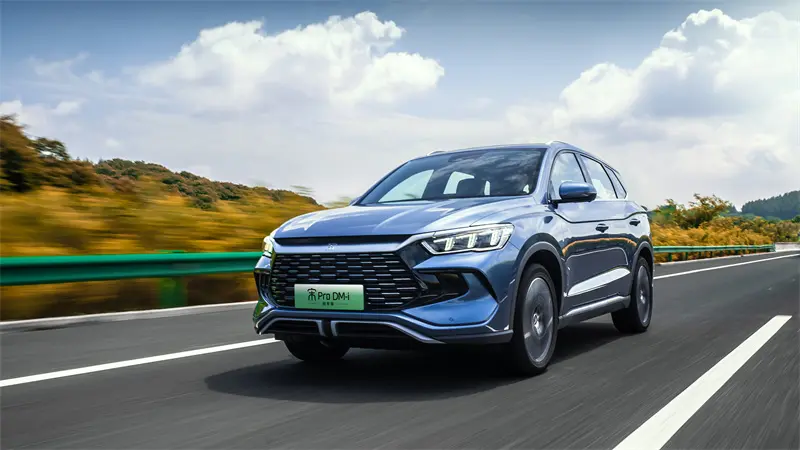
Critical compliance, licensing, pricing, and technology deployment questions answered by our trade experts.
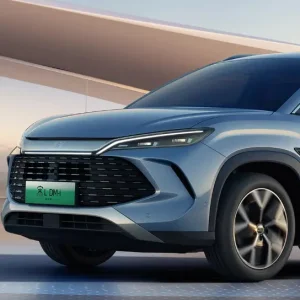
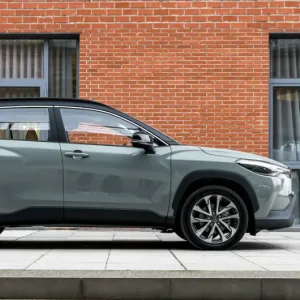
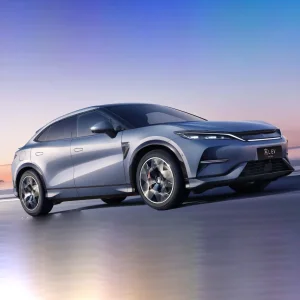
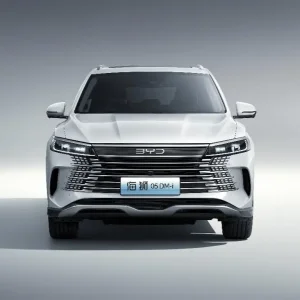
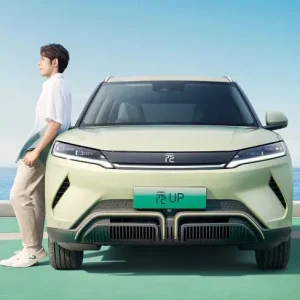
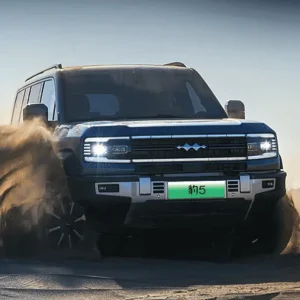
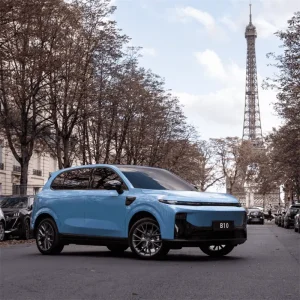
Discover our expanded inventory of heavy-duty hybrid SUVs, advanced electric sedans, and high-efficiency EREVs designed for commercial transport and security operations.
Get in touch with our commercial solutions team for comprehensive price guides, custom hybrid vehicle specifications, or low-altitude security deployment plans.