 Tianli
Tianli
Tianli
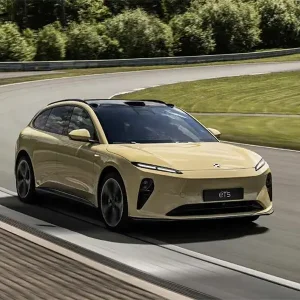
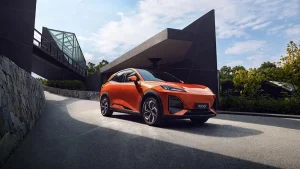
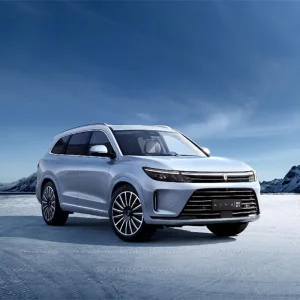
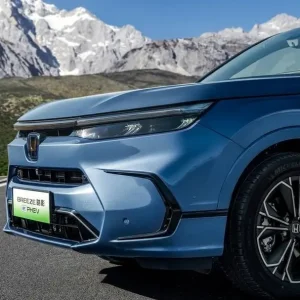
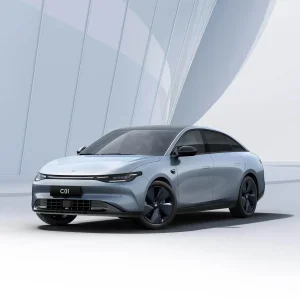
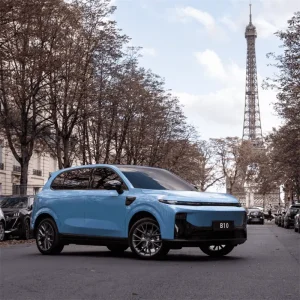
Explore our elite portfolio of customizable low-altitude vehicles, new energy systems, and high-precision tactical equipment.
How Tianli International Trade Group bridges high-end automotive logistics and state-of-the-art UAS development.
Tianli International Trade Group stands at the forefront of the low-altitude defense economy and automotive exports. Leveraging a deeply optimized global supply chain certified by the Chinese Ministry of Commerce, we address double-market demands: comprehensive vehicle procurement platforms and highly specialized Unmanned Aerial Systems (UAS) countermeasure systems.
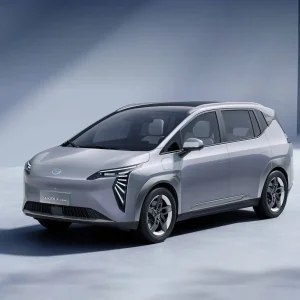
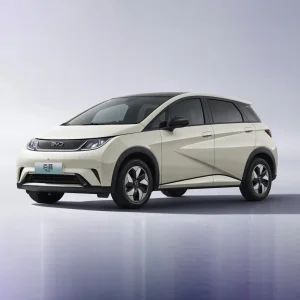
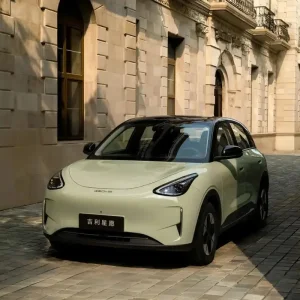
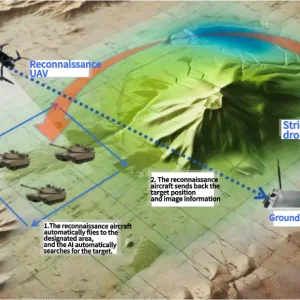
We deploy end-to-end capabilities across two modern industry sectors: Automotive & EV logistics (supplying zero-mileage vehicles, light commercial systems, and electric utility units) and Counter-UAS platforms (providing integrated tracking, RF detection, and localized jamming to combat rogue low-altitude flight systems).
Our drone technologies are engineered to coordinate directly with civilian infrastructure projects, intelligent municipal safety controls, and military defense parameters. By establishing strategic partnerships with high-reliability hardware fabricators, we offer systems certified to withstand extreme environmental operations.
An authoritative analysis of China's dominance in custom UAV production, low-altitude regulation compliance, and technological integration.
The global dominance of China's aerial drone manufacturing base is not merely a product of cheap labor; it is the culmination of a sophisticated, highly centralized industrial ecosystem. With the Pearl River Delta and Shandong industrial zones acting as core manufacturing centers, custom UAV factories enjoy immediate proximity to raw carbon fiber suppliers, high-discharge lithium polymer cell fabricators, brush-less motor plants, and advanced electronic speed controller (ESC) micro-assembly lines. This vertical integration reduces the time-to-market for a custom prototype from months to a few business days.
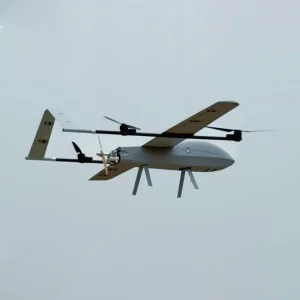
Additionally, the overlap between Electric Vehicle (EV) supply chains and UAV power systems has yielded massive technological dividends. High-density automotive-grade lithium iron phosphate (LFP) and nickel-cobalt-manganese (NCM) battery technologies directly inform the power structures of extended-range fixed-wing VTOLs and industrial cargo multi-rotors, allowing flight endurance windows to push past the conventional 90-minute threshold.
The modern low-altitude ecosystem is evolving beyond basic remote-controlled vehicles toward fully autonomous robotic operations. Key architectural trends shaping current sourcing activities include:
As customization becomes more accessible, the proliferation of non-cooperative, rogue, or illegally modified aerial systems presents severe security risks to critical infrastructure, such as petrochemical storage units, commercial airports, and border controls. This has driven the industry to prioritize integrated drone defense countermeasures. Real-world mitigation involves a layered strategy:
| Security Layer | Underlying Technology | Detection/Defeat Range | Ideal Application Scenario |
|---|---|---|---|
| RF Passive Detection | Spectrum scanning, RF protocol analysis, direction finding | Up to 5.0 km | Urban centers, high-security government facilities |
| 3D Active Radar | FMCW (Frequency Modulated Continuous Wave) Radar | Up to 3.5 km | Airports, military borders, expansive desert perimeters |
| Optical/EO-IR Tracking | Thermal camera visual verification, AI computer-vision locks | Up to 2.0 km | Verification in heavy electromagnetic noise environments |
| Neutralization (Soft Kill) | Multi-band RF jamming, GPS/GLONASS/BeiDou spoofing | Up to 3.0 km | Instant threat landing or return-to-home enforcement |
From multi-payload environmental scouting to active border patrol, how custom drones serve global enterprise demands.
Integrating long-endurance VTOL aircraft with active counter-UAS suites. Custom configurations allow automated perimeter sweeps using high-definition thermal imaging payloads while simultaneously checking airspace for illicit intruder drones.
Deployment of specialized high-capacity multispectral sensors. Industrial buyers utilize custom drone setups to execute precision spraying plans, monitor soil saturation metrics, and calculate forestry carbon offset volumes with high accuracy.
Custom multi-rotor drone fleets configured for automated regional hub-to-hub cargo operations. These systems reduce shipping lead times over difficult terrains, matching battery architectures developed for green electric vehicle grids.
The rigorous validation criteria used by international compliance departments when auditing drone manufacturing facilities.
Purchasing specialized industrial unmanned aircraft involves navigating multiple technical parameters. Procurement executives from EU, North American, and Southeast Asian enterprise divisions systematically evaluate suppliers on three primary criteria:
Export compliance requires full certification suites, including CE markings (specifically EN 301 489, EN 300 328, and EN 62311 limits), FCC Part 15 subpart C conformance, RoHS restrictions, and strict adherence to environmental safety protocols during high-capacity lithium battery fabrication.
Universal gimbals and standardization interfaces (such as DJI Skyport, MAVLink, or standard quick-release mechanical interfaces) are critical. This allows industrial clients to exchange visual cameras with specialized LiDAR sensors or gas sniffing pods depending on the mission profile.
A resilient bill of materials (BOM) ensures zero single-source dependency risks. With advanced component verification setups, buyers are guaranteed that optical components, internal microchips, and carbon fiber weaves are consistently high-quality.
Technical and logistical insights from our engineering and compliance teams regarding custom UAV and countermeasure services.
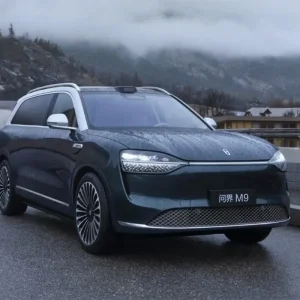
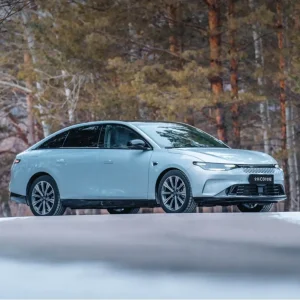
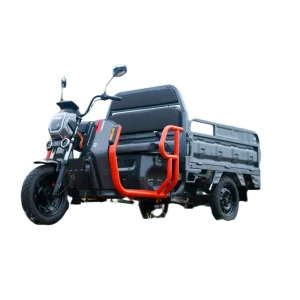
A complete breakdown of our defense integrated platforms, multi-terrain utility systems, and new energy passenger models.
Get in touch with our engineering consulting team. We provide full lifecycle support and competitive project estimates.