 Tianli
Tianli
Tianli
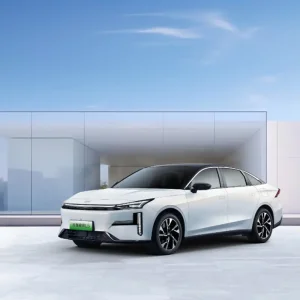
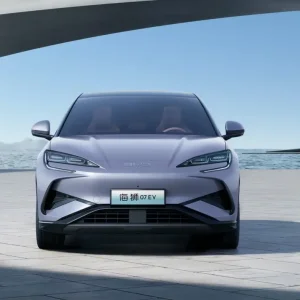
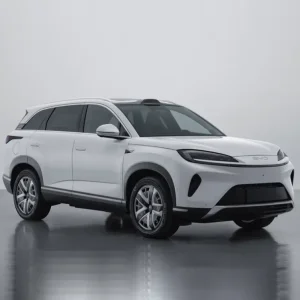
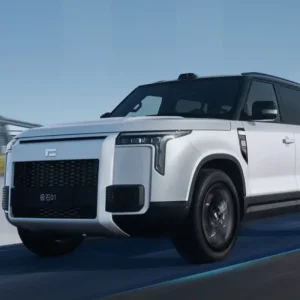
Explore our curated B2B catalog featuring top-tier mild hybrids, hybrid configurations, and specialized electric transportation assets.

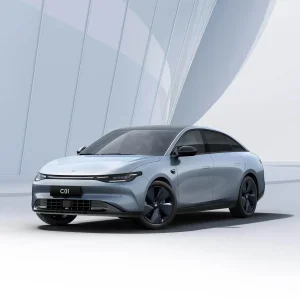
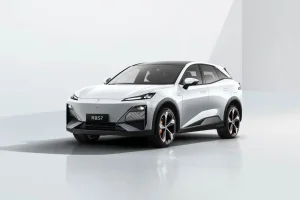
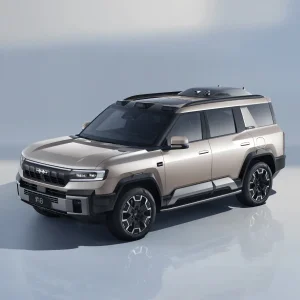

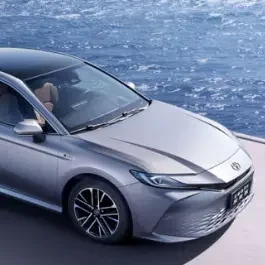
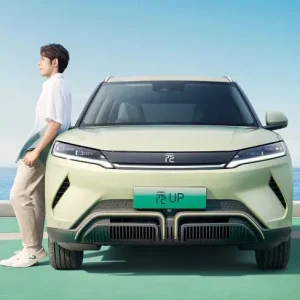
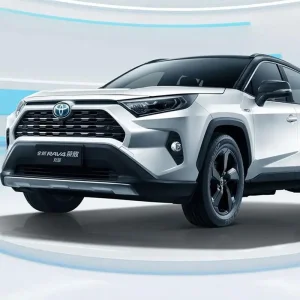
As international emissions regimes enforce stricter carbon caps—such as Europe’s Euro 7 framework, the United States' CAFE targets, and similar mandates across the Asia-Pacific region—fleet operators, commercial importers, and automotive distributors are facing a pivotal transition. Full electrification offers an ultimate zero-emission horizon, yet it presents localized infrastructure deficits, substantial initial capital requirements, and logistical bottlenecks. This is where Mild Hybrid Electric Vehicles (MHEVs) fill the strategic gap.
Utilizing a compact 48V electrical subsystem running alongside a conventional internal combustion engine (ICE), MHEV technology optimizes thermal efficiency, dampens cold-start emissions, and captures kinetic energy during deceleration. Unlike plug-in alternatives, MHEVs require zero charging infrastructure, matching the operational flexibility of standard internal combustion setups while reducing fuel consumption by 10% to 15% in heavy stop-and-go urban duty cycles.
MHEV powertrains offer a highly practical path toward carbon reduction. By bypassing the need for dedicated charging stations and avoiding the weight penalty of large battery packs, mild hybrids allow fleet administrators to meet compliance targets immediately, control total cost of ownership (TCO), and maintain resale liquidity across developing markets.
A technical guide to the physical layout options and electrical systems that define the modern mild hybrid vehicle.
In P0/P1 configurations, the Belt Starter Generator (BSG) or Integrated Starter Generator (ISG) connects directly to the accessory drive belt or crankshaft. This allows for smooth stop-start operations, minor torque assistance, and regenerative braking. However, it cannot disconnect from engine friction, limiting maximum recovery efficiency.
Positioned before or after the transmission, P2 and P3 systems decouple the engine via a clutch. This permits electric-only coasting, torque infill during gear shifts, and much higher regeneration capacity, as the engine does not drag the motor down during deceleration.
By placing the electric motor directly on the rear axle, P4 layouts create a hybrid all-wheel-drive system without a mechanical driveshaft. This delivers strong traction management and excellent regenerative energy recovery while keeping the front end relatively simple.
| Configuration Type | Electrical Architecture | Fuel Economy Gain | Key B2B Advantage | Ideal Application Scenario |
|---|---|---|---|---|
| P0 (Belt Starter Generator) | 12V / 48V Systems | 8% - 10% | Lowest integration cost; drop-in ICE upgrade. | Urban delivery fleets & budget passenger cars. |
| P1 (Crankshaft ISG) | 48V System | 10% - 12% | Exceptional stop-start response and lower vibration. | Executive sedans & high-frequency shuttle services. |
| P2 / P3 (Transmission Coupled) | 48V - 100V Systems | 12% - 15% | Supports torque infill and engine-off sailing. | Mid-to-large SUVs & regional transport vehicles. |
| P4 (Rear Axle Mounted) | 48V / High-Voltage | 15% - 18% | Mechanical-free AWD; optimized traction control. | Premium passenger vehicles & light utility platforms. |
China's automotive ecosystem is uniquely structured to deliver cost-effective and highly optimized MHEV systems. Key factory hubs in Shandong, Zhejiang, and Guangdong leverage massive vertical integration to lower production costs. Rather than sourcing components across continents, our local supply networks cluster engine foundries, 48V battery assemblers (specializing in stable lithium-ion and sodium-ion chemistries), and electronic control unit (ECU) developers in close proximity.
This geographic concentration reduces raw material transit times and minimizes supply chain vulnerabilities. As a result, Chinese manufacturing plants consistently deliver high-quality components at a lower cost per unit. This translates directly to more competitive pricing for international distributors and fleet buyers without compromising quality.
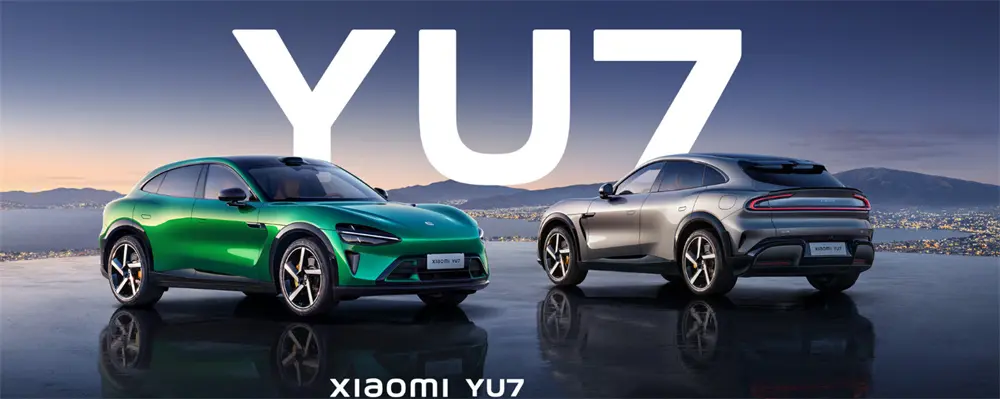
How businesses leverage mild hybrid vehicles to lower operational costs and meet regional carbon regulations.
Urban passenger operations involve continuous stop-and-start driving. By shifting accessory loads like HVAC and electrical steering to a 48V subsystem, mild hybrids prevent engine idling wear and significantly reduce fuel burn during high-density city transit.
Frequent package drops tax standard starters and drive up emissions. The high-durability starter-generators used in MHEVs handle constant engine cycles smoothly, keeping delivery routes efficient and reducing fuel costs for logistics fleets.
For organizations looking to lower their carbon footprint without investing heavily in charging infrastructure, MHEVs are an excellent fit. They slot directly into existing fuel infrastructure while helping meet sustainability targets.
Transporting alternative-energy vehicles internationally requires navigating a complex web of customs regulations, shipping protocols, and certification processes. From parallel vehicle export clearance in Chinese ports to handling localized homologation in target markets (like European COC certificates, Gulf GCC standards, and Latin American ADR requirements), compliance is central to our operations.
Our team works closely with logistics partners to coordinate roll-on/roll-off (RoRo) shipping, containerized shipping with secure battery disconnections, and intercontinental rail freight. By handling export licensing, customs documentation, and regional compliance beforehand, we prevent shipping delays and protect your margins from unexpected import fees.
A trusted B2B supply chain solutions provider, delivering vehicles and advanced defense systems worldwide.
Founded in 2012, Shandong Tianli International Trade Group has developed into a premier supply chain partner. We specialize in parallel vehicle exports, brand partnerships, and end-to-end logistics support. Our automotive division ensures a steady, reliable supply of new vehicles, zero-mileage pre-owned options, and specialty electric platforms to buyers around the globe.
Alongside our automotive trade, we are a key provider of defense systems for low-altitude unmanned aerial systems (UAS). We design and distribute tailored UAS detection and countermeasure platforms to secure airspace for smart cities and commercial facilities. This combination of automotive logistics and advanced defense technology positions Tianli as a unique, highly capable partner for global enterprises.
Tianli specializes in counter-UAS platforms designed to identify and neutralize drone-based threats. Our mission is to support smart city planning and modern logistics networks with reliable, integrated security systems, including mobile security management and multi-sensor tracking arrays.
Understand the pricing tiers, customization options, and volume discount structures for global B2B procurement.
MHEV pricing is influenced by battery capacity, transmission configuration, and order volume. We offer flexible pricing tiers designed to support regional distributors, leasing agencies, and commercial fleet operators. The table below outlines our standard pricing structures based on order quantities.
| Procurement Volume | Unit Pricing Discount | ODM / Customization Options | Payment Terms | Spare Parts Support Package |
|---|---|---|---|---|
| Sample / Small Fleet (1 - 5 Units) | Base Price Quotes | Standard Factory Spec | L/C, T/T (30% deposit, 70% before delivery) | Basic maintenance kit (filters, fuses) |
| Commercial Fleet (6 - 20 Units) | 3% - 5% Discount | Custom exterior wrap, interior fleet telematics | Flexible L/C terms, wire transfer | 1% value spare parts allocation |
| Regional Distributor (21 - 50+ Units) | 5% - 10% Discount | Local language software localization, specific brand badging | Open Account / Letters of Credit (negotiable) | 2% value spare parts + factory service training |
| Strategic Partner (100+ Units / Annual Contract) | Custom Contract Pricing | Full ODM tailored drivetrain and chassis features | Custom commercial credit lines | Dedicated parts inventory at regional hubs |
Answers to common technical, logistics, and purchasing questions from our global partners.
Mild Hybrids (MHEVs) use a small electric motor (usually 48V) to assist the engine, but cannot drive on electric power alone; they do not need to be plugged in. Full Hybrids (HEVs) have a larger battery and can run on electric power for short distances at low speeds, recharging through regenerative braking. Plug-in Hybrids (PHEVs) feature a much larger battery that must be charged externally, providing 40-80 km of pure electric driving before the gas engine starts.
Zero-mileage vehicles are brand new cars registered briefly in China to secure export clearance under local regulations. Once cleared, they are de-registered and exported immediately. This parallel export process allows global buyers to access new vehicles outside of restricted official distributor channels.
We provide standard warranty support on key mechanical components through regional partner service centers. For larger orders, we include a 1% to 2% spare parts budget (filters, brakes, suspension components, and electrical sensors) with the shipment and offer technical training for your maintenance staff.
All hybrid and electric vehicles are shipped in compliance with international maritime hazardous materials rules (IMDG). Batteries are isolated, state-of-charge (SoC) levels are adjusted for long transit times, and vehicle tie-downs are monitored to prevent movement and damage during shipping.
Get in touch with our team for detailed pricing, inventory status, and custom shipping options. We respond within 24 hours.
Please leave your corporate email and specify your vehicle requirements. Our commercial export team will follow up promptly.
Review our broader range of commercial electric vehicles, high-performance hybrid sedans, and specialized urban transportation equipment.