 Tianli
Tianli
Tianli
Direct OEM & Parallel Export Models Curated for International Distributors, Commercial Fleet Operators, and Automotive Dealerships.
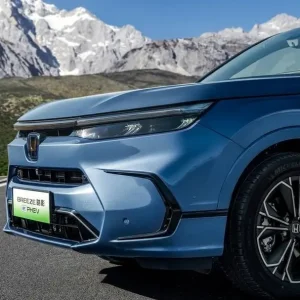
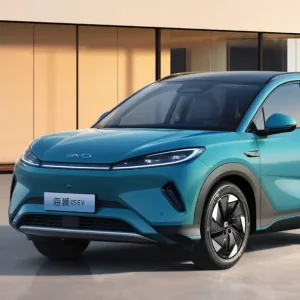
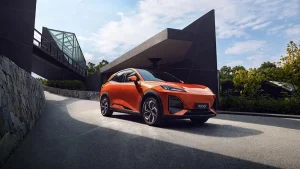
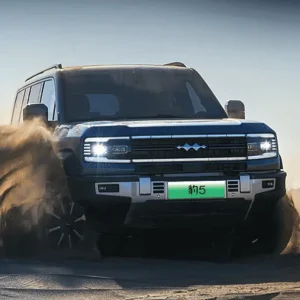
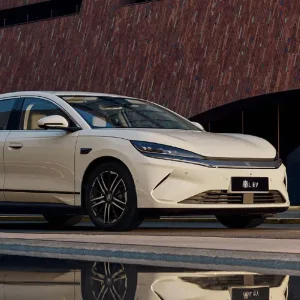
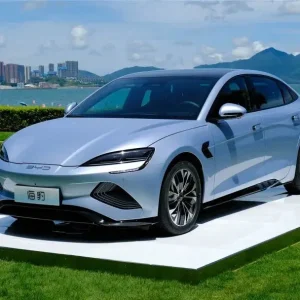
The shift toward zero-emission transportation is reshaping international commerce, public infrastructure, and heavy industrial fleets.
The global automotive market is undergoing a seismic structural transition. Driven by strict regional decarbonization targets, ESG mandates for corporate fleets, and consumer demand for intelligent digital cockpits, the demand for high-quality, long-range Electric SUVs and Sedans has surged. Leading automotive groups are shifting their capital expenditure towards integrated electric architectures, moving away from legacy internal combustion systems. This shift is not merely environmental; it represents a complete realignment of vehicle software integrations, automated driver assistance systems (ADAS), and centralized battery thermal management systems.
In this rapidly transforming environment, sourcing strategies have become critical points of differentiation. Large scale distributors, municipal transit agencies, and leasing conglomerates can no longer rely on localized inventory structures. The industrial standard has transitioned to smart, connected utility platforms. Modern Electric SUVs must function not only as transportation assets but also as rolling computing units that connect seamlessly to smart grids, corporate fleet management portals, and modern telemetry APIs. This industrial landscape demands a reliable partner capable of bridging the gap between state-of-the-art manufacturing facilities and local distribution markets.
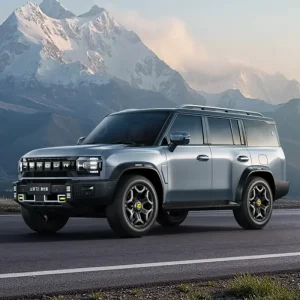
Furthermore, the emergence of Extended Range Electric Vehicle (EREV) platforms alongside Battery Electric Vehicles (BEVs) has allowed fleet operators to customize acquisitions based on localized regional charging infrastructures. In areas where highway DC fast-charging networks remain developmental, EREVs offer an ideal bridge. By incorporating a high-efficiency on-board generator that runs on traditional fuel solely to recharge the traction battery, these units bypass range anxiety while preserving the performance, cabin refinement, and zero-emissions potential of electric drivetrains. Sourcing both modalities from a single consolidated platform represents a competitive advantage for worldwide importers.
Why Chinese EV manufacturing clusters represent the most optimized industrial hubs for modern electric mobility.
The global dominance of Chinese electric vehicle factories stems from a concentrated industrial ecosystem that clusters raw material processing, battery cell production, powertrain assembly, and advanced vehicle manufacturing within unified regional networks. By localizing the production of crucial subcomponents—including Lithium Iron Phosphate (LFP) cells, Nickel Manganese Cobalt (NMC) chemistries, permanent magnet synchronous motors, and high-frequency power electronics—factories can eliminate supply bottlenecks and rapidly scale production. This high density of suppliers lowers transit times, keeps inventory overhead low, and allows manufacturers to implement real-time product improvements.
Tianli International Trade Group leverages this manufacturing ecosystem to guarantee stable vehicle supplies. Supported by long-term strategic relationships with major Chinese automotive brands, Tianli functions as a critical parallel export hub. The integration of domestic automotive suppliers with specialized logistical corridors—such as the China-Europe block trains and deep-water roll-on/roll-off (RoRo) port terminals—ensures short lead times and consistent vehicle allocation. Even during global supply fluctuations, our partners benefit from a reliable monthly output, shielding local dealerships and fleet operators from inventory shortages.
This supply chain efficiency extends to quality control and pre-shipment compliance audits. Every vehicle exported through the Tianli parallel trade pipeline undergoes a comprehensive multi-point inspection. This inspection covers battery chemistry diagnostics, suspension alignment, infotainment localized flashing, and physical chassis verification. By combining the natural raw-material advantages of Chinese industrial clusters with rigorous export-oriented quality assurance protocols, we deliver vehicles that are ready to deploy upon arrival at their destination port.
Consolidated purchasing across multiple brands, simplifying procurement through a single contractual partner.
Authorized export certifications, customs clearances, and regulatory paperwork prepared by trade specialists.
Comprehensive diagnostic scans and physical test drives verify every powertrain component before export.
Exploring the technological innovations driving battery density, autonomous drivetrains, and cellular integrations.
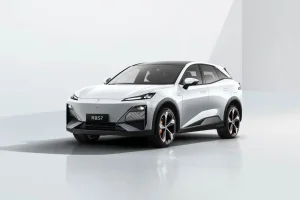
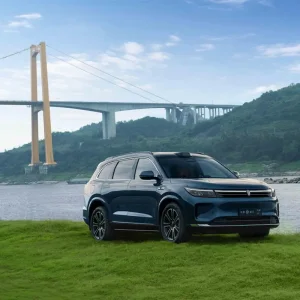
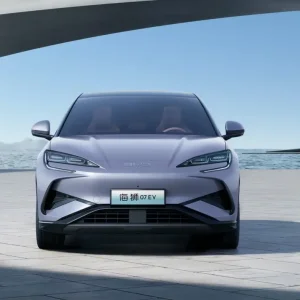
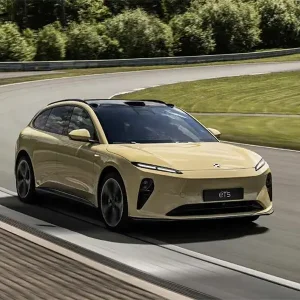
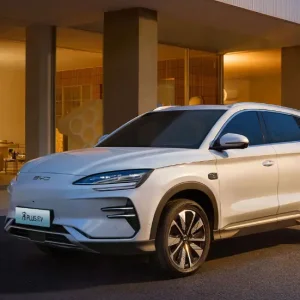
The roadmap for Electric SUVs is defined by three main innovations: advanced solid-state battery storage, integrated vehicle-to-everything (V2X) communication, and software-defined architectures. Modern premium vehicles, such as the NIO ET5 and the high-performance BYD Seal, feature structures that integrate battery cells directly into the vehicle's body (Cell-to-Body or Cell-to-Chassis technology). This design saves space, improves safety, and increases structural rigidity, resulting in safer passenger cabins and improved dynamics.
Additionally, the transition to 800-volt electrical systems is redefining the charging experience. Sourcing 800V-capable electric vehicles enables fleet operators to reduce charge times to under 15 minutes for a 10%-80% state of charge (SoC). This high charging throughput is essential for commercial operators who need to minimize vehicle downtime. Over-the-air (OTA) update engines also allow manufacturers to optimize electric motor controls and active safety systems continuously, keeping vehicles up-to-date throughout their operational lifecycle.
Looking forward, we anticipate closer integration between advanced driver assistance systems (ADAS) and city planning networks. Modern new energy models now come equipped with multiple lidar arrays, high-resolution cameras, and deep-learning compute platforms. Sourcing these advanced systems helps prepare regional importers for the transition to semi-autonomous ride-sharing networks and smart delivery systems. In parallel, dual-propulsion energy solutions like EREV and Plug-in Hybrid Electric Vehicles (PHEV) will continue to expand, offering flexible transit options for regions without comprehensive charging infrastructures.
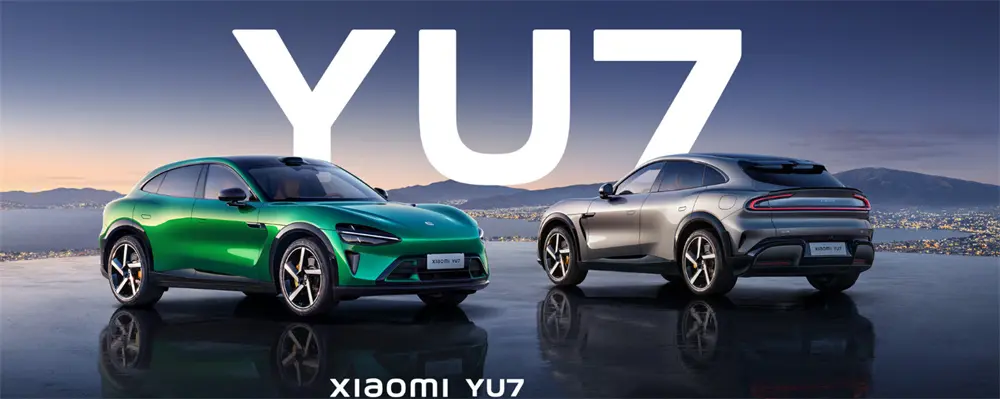
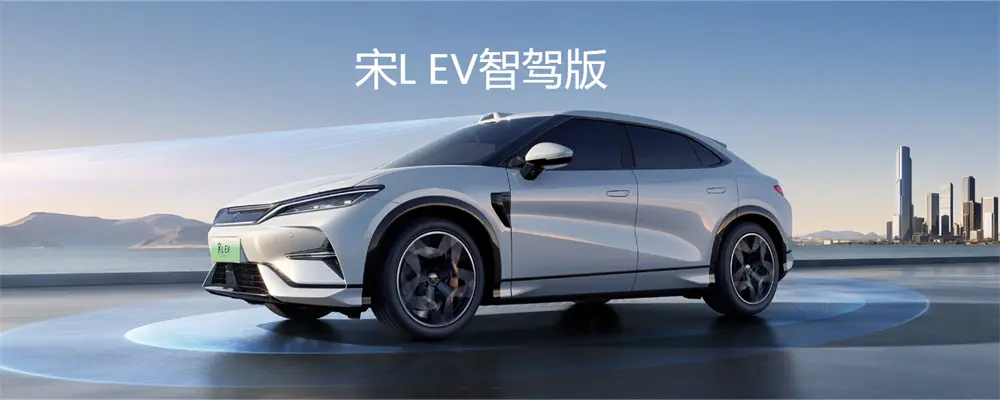
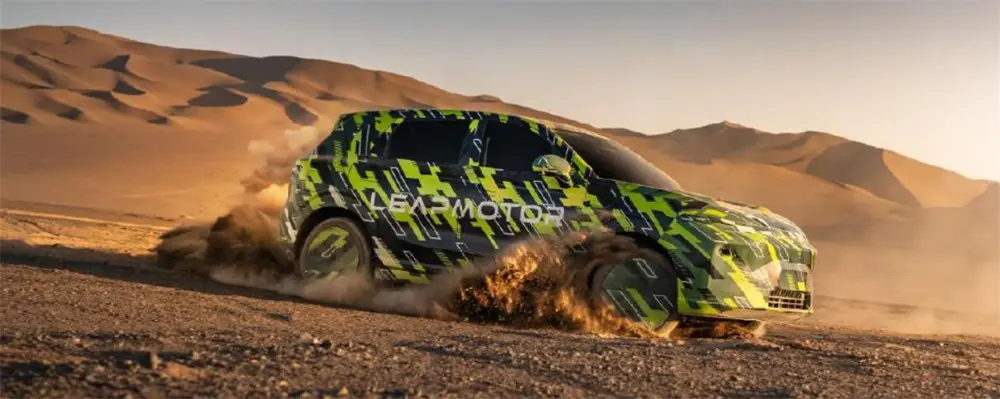
Adapting advanced electric vehicle technologies to meet diverse operational climates, terrains, and commercial requirements.
Modern electric vehicles are designed to perform reliably across a wide range of operational environments and regional climates. In colder climates, such as Northern Europe or Canada, standard EV configurations face potential battery range loss from cold-induced cell resistance. To counter this, modern vehicle platforms incorporate integrated heat pump systems that use excess drivetrain warmth to keep the passenger cabin comfortable and maintain the battery within its optimal operating temperature. As a result, commercial fleets can maintain predictable range metrics even during winter operations.
In high-temperature and desert regions like the Middle East, vehicles face different challenges, particularly intense heat and dust. To address these conditions, electric vehicles are equipped with liquid thermal management systems and multi-layered dust filtration setups. Importers can source vehicles featuring active liquid-cooling loops that protect battery health under high ambient heat. These adjustments, combined with specialized UV-blocking cabin glass and durable synthetic interior trim, make our exported vehicles well-suited for hot climates.
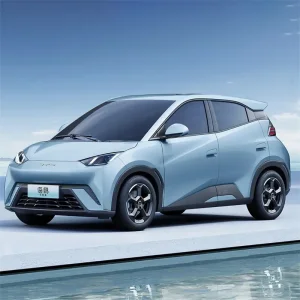
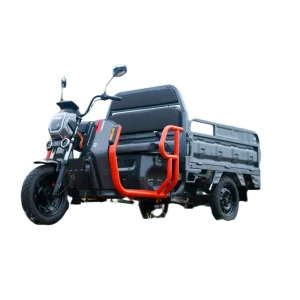
For dense urban centers and last-mile delivery operations, light commercial vehicles and electric three-wheel designs offer practical solutions. These platforms navigate narrow urban streets and pedestrian zones where full-size vehicles cannot pass. By deploying lightweight, efficient electric powertrains, logistics companies can reduce urban emissions while optimizing operational costs. Tianli's diverse export options help clients build balanced fleets that combine long-range premium passenger SUVs with nimble utility vehicles designed for urban transport.
Tianli International Trade Group serves as a comprehensive supply chain partner, providing one-stop vehicle sourcing for the automotive sector. Our services are tailored to help operators integrate intelligent, zero-emission models into public transport networks and smart city fleets. Driven by logistics optimization, we maximize customer value while minimizing environmental impact, supporting a green and sustainable future. Technologies like vehicle-to-grid integration and automated driving assistance help operators build efficient urban transit systems.
Read more about our sourcing philosophyBridging zero-emission vehicle distribution with low-altitude drone detection and defense infrastructure.
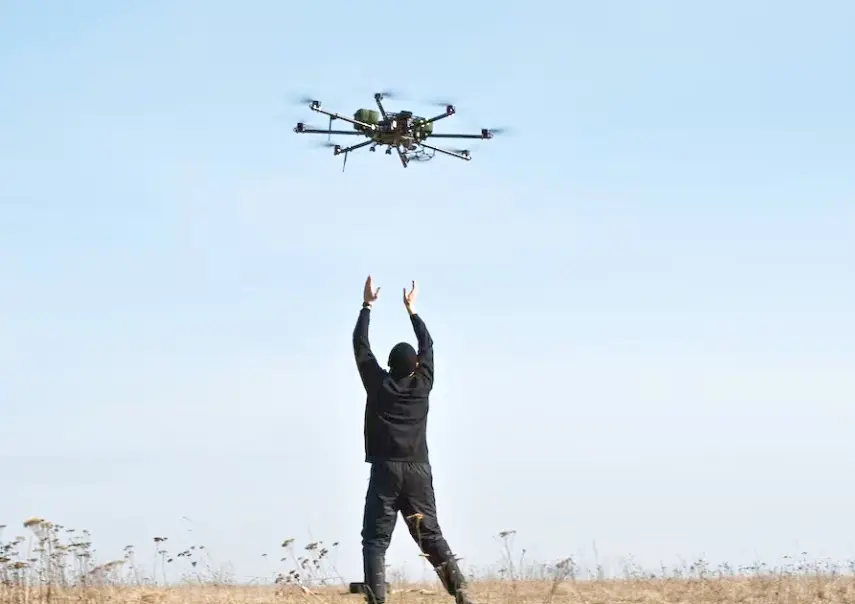
Tianli International Trade Group operates across two core sectors: automotive supply chain solutions and low-altitude security systems. Our automotive division ensures a steady supply of new energy models through a streamlined parallel export network. At the same time, our security division designs and deploys defense systems for low-altitude unmanned aerial systems (UAS). This dual-sector focus allows us to offer unique capabilities to logistics hubs, municipal projects, and corporate centers that require both sustainable transit options and low-altitude protection.
As unmanned aircraft systems become more common, securing logistics hubs, ports, and warehouses from aerial threats is increasingly important. Tianli addresses these challenges by offering customized UAS detection and defense solutions. Our systems are designed to monitor low-altitude airspace, identify unauthorized drones, and apply countermeasures when necessary. By integrating security technology with our transit logistics, we help fleet operators protect both their physical vehicle fleets and the cargo they transport.
Our security solutions include radar-based detection, radio frequency scanners, and electro-optical tracking systems, all managed through centralized command portals. These tools allow security teams to identify, track, and neutralize unauthorized drones. Combined with our logistics and vehicle export services, our low-altitude defense solutions help clients establish resilient, secure, and modern logistics operations.
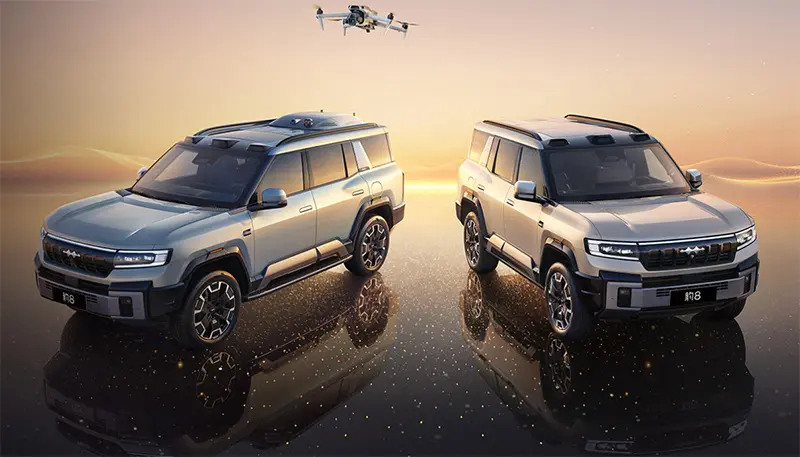
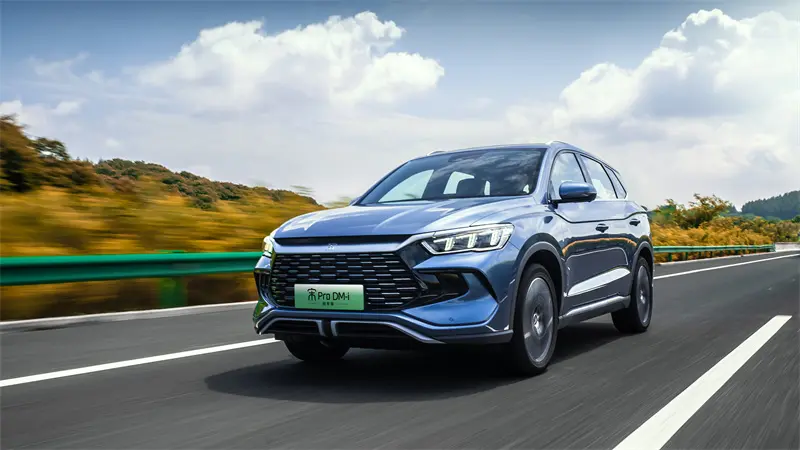
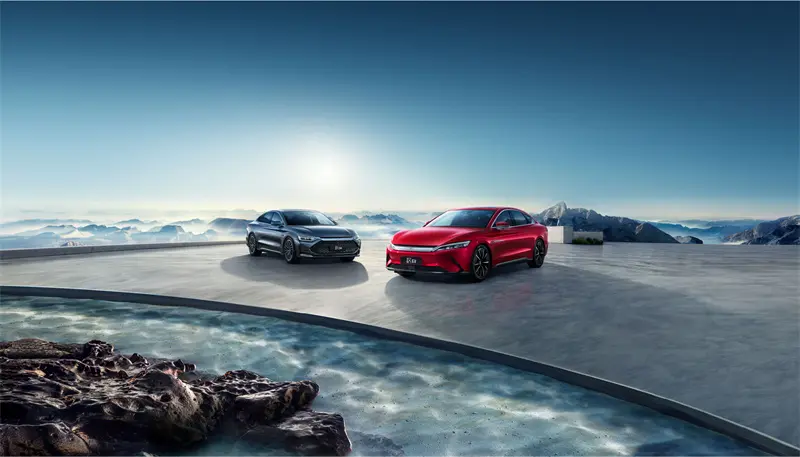
Navigating regional automotive compliance, localized software updates, and components support networks.
A key challenge in the international trade of new energy vehicles is alignment with regional regulatory frameworks, often referred to as homologation. Every target market has specific safety, electromagnetic, and structural guidelines, such as Europe's ECE regulations, the United States' FMVSS, and the GCC standards in the Middle East. Tianli manages these requirements by auditing all vehicle models prior to shipment. Our homologation team assists importers in preparing necessary documentation, verifying battery certifications, and adjusting lighting and safety configurations to match target market laws.
In addition to physical compliance, localizing software systems is essential for a positive driver experience. Many new energy vehicles feature advanced infotainment software configured for their domestic markets. To prepare them for international use, we coordinate software localization, helping to flash global firmware, update maps for local navigation, and configure english-language voice command modules. This step ensures that the vehicle's infotainment, ADAS alerts, and connectivity features are fully functional for local drivers.
Finally, we support long-term vehicle operations by establishing robust replacement parts pipelines and maintenance networks. Through partnerships with local service networks, we coordinate the supply of crucial replacement parts, such as steering knuckles, suspension components, and electronic modules. Sourcing through our parallel export channels provides distributors with access to technical diagnostics, mechanical schematics, and factory-certified replacement parts, helping to keep customer vehicle fleets operational.
Get in touch with our team for detailed pricing, available vehicle stock, custom order configurations, or low-altitude security solutions. We will respond within 24 hours.
Inquire NowAnswers to common inquiries regarding parallel vehicle exports, warranty support, customs clearance, and procurement logistics.
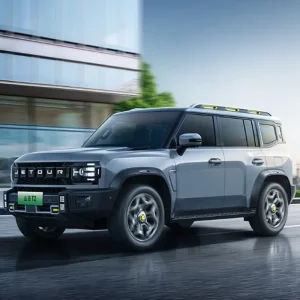
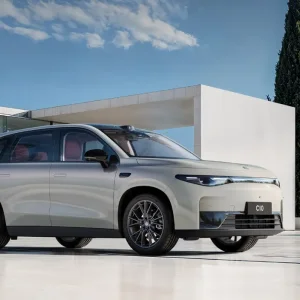
Additional premium vehicles, EREV platforms, and urban utility vehicles available for wholesale export orders.