 Tianli
Tianli
Tianli
Direct export configurations from major global manufacturer supply networks.
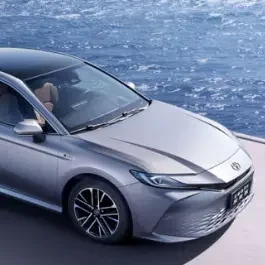
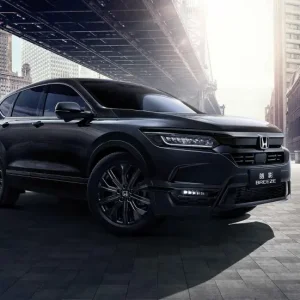
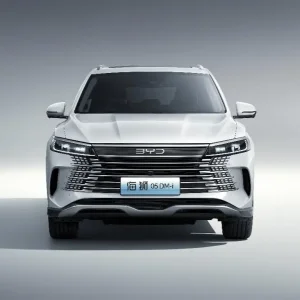
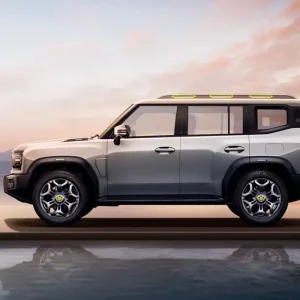
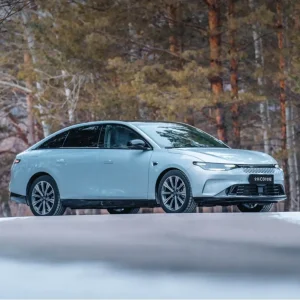
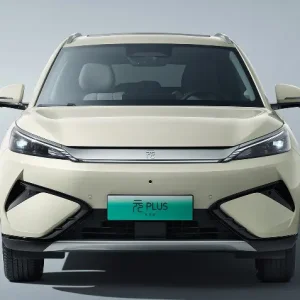
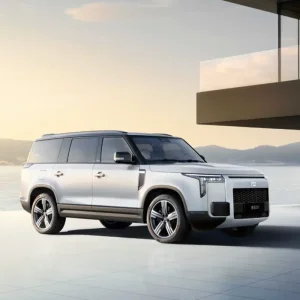
The global automotive paradigm is undergoing a monumental restructuring, shifting from traditional Internal Combustion Engines (ICE) to smart, electrified architectures. Over the past five years, the Electric Sport Utility Vehicle (e-SUV) segment has emerged as the principal catalyst of this transition. For wholesale fleet operators, international distributors, and B2B automotive brokers, navigating this evolving landscape requires a granular understanding of factory supply chain dynamics, regional production capacities, and compliance protocols.
Macro-level growth is heavily incentivized by national carbon neutrality policies (such as the EU's Fit for 55 package and the US Inflation Reduction Act) and consumer demand for larger utility platforms. Today, advanced electric SUVs integrate cutting-edge innovations including high-voltage 800V fast-charging system architectures, structural battery-to-chassis (CTC/CTB) technology, and multi-motor intelligent all-wheel-drive dynamics. To maintain a competitive edge, global procurement teams must establish partnerships with leading manufacturers capable of scaling production while maintaining rigorous quality control and strict regulatory compliance.
Shandong Tianli International Trade stands as a premier supply chain solutions provider, backed by export qualifications certified by the Ministry of Commerce of China. We bridge the gap between world-class manufacturing factories and global automotive distributors, offering access to direct sourcing channels for new energy vehicles, plug-in hybrids, and high-performance electric SUVs.
Our core operational portfolio spans two key sectors: Automotive Industry Solutions and Low-Altitude Security Infrastructure. We deliver a complete procurement ecosystem that guarantees zero-mile logistics, multi-brand consolidation, and comprehensive quality assurance, allowing global businesses to scale their fleets with zero operational friction.
Key Advantages Include:

A technical assessment of modern e-SUV battery platforms, drivetrain layouts, and production processes.
The manufacturing architecture of leading electric SUV factories has evolved from converted ICE multi-energy platforms to dedicated electric platforms (such as BYD's e-Platform 3.0 and Leapmotor's integrated vehicle architectures). These dedicated platform engineering structures enable optimal battery placement, creating flat floors, lowering center-of-gravity profiles, and maximizing passenger space. Let us evaluate the core technology stacks dominating modern factories:
Factories are optimizing chemistry ratios between Lithium Iron Phosphate (LFP) for cost-efficient, high-safety profiles and Nickel-Manganese-Cobalt (NMC) for long-range performance. Modern Cell-to-Body (CTB) integration designs embed the pack directly into the chassis structure, increasing torsional rigidity by up to 70%.
Leading e-SUV factories are transitioning from traditional 400V electrical setups to 800V silicon carbide (SiC) inverter systems. This reduces cable weight, lowers thermal dissipation losses, and enables 10% to 80% state-of-charge replenishment times in under 15 minutes.
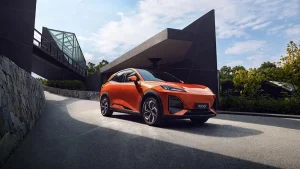
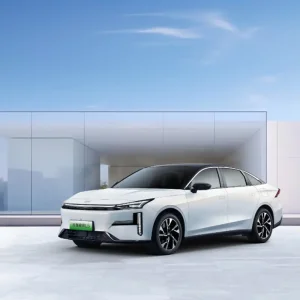
For markets with developing charging infrastructures, factories are producing Extended Range Electric Vehicles (EREVs) such as the Deepal S07 and AITO M9. These configurations combine efficient combustion generators with electric drivetrains, eliminating range anxiety while maintaining electric drive dynamics.
| Drivetrain Architecture | Typical Battery Capacity | Primary Charging Voltages | Target Localized Market Segments | Key Sourcing Advantages |
|---|---|---|---|---|
| Battery Electric (BEV) | 60 kWh - 100+ kWh | 400V - 800V (SiC Platform) | Urban Fleets, High-Density Cities | Zero direct emissions, lowest per-mile operational overheads. |
| Extended Range (EREV) | 30 kWh - 50 kWh | Fast-charge DC capability | Developing Infrastructure Regions | Dual-source energy flexibility, over 1000km combined range. |
| Plug-in Hybrid (PHEV) | 15 kWh - 30 kWh | AC / DC options | Transit Corridor Commuting | Lower initial unit procurement costs compared to large-battery BEVs. |

Procuring new energy passenger platforms for global markets requires navigating strict local certification standards. Vehicles exported via our global supply networks undergo thorough inspection protocols to match the regulatory and homologation frameworks of target markets:
Assistance in verifying homologation criteria, including ADAS active safety capabilities and cybersecurity protocols for vehicle connectivity.
Ensuring configurations conform to hot-climate powertrain specifications, localized thermal insulation, and dust filtration requirements.
Every zero-mile pre-owned vehicle and direct factory export unit receives a certified State of Health (SOH) baseline evaluation before maritime shipping.
Providing counter-UAS security frameworks for critical automotive transport and terminal logistics.
Beyond vehicle logistics, Tianli integrates Low-Altitude Security Management & Counter-UAS platforms to secure industrial transport nodes, manufacturing yards, and shipping hubs. Unmanned aerial systems (UAS) present emerging threats to global supply chain yards. Our tailored command and control platforms help enterprise hubs monitor airspace security, ensuring zero-mile vehicle inventories are protected from threat vectors.
Our strategic alliances enable the deployment of passive RF detection arrays, directional jamming arrays, and decoy systems. This combination of commercial automotive supply chain logistics and low-altitude protective technologies provides an end-to-end security framework for transit ports and manufacturing storage yards globally.

Analyzing key new energy platforms and localized logistics implementations.

Optimized Ro-Ro and containerized rail routes across Eurasia.

Direct access to primary manufacturer battery platforms.

Rapid procurement of high-demand vehicle inventory models.

Rigorous factory audits and pre-shipment battery verification.
1. Cold-Climate Urban Transit Fleet Deployments: Implementing high-voltage electric SUVs in northern latitudes requires advanced thermal management systems, such as heat-pump cabins and active battery heating. Our procurement channels ensure vehicles are configured with low-temperature performance options.
2. Resource Extraction & Industrial Site Security: By combining robust hybrid SUVs with low-altitude drone detection hardware, security teams can monitor remote assets, pipeline segments, and port terminal operations over long distances.
Answering common questions about e-SUV sourcing, battery lifespans, and parallel export logistics.
Modern LFP and NMC battery chemistries from top-tier manufacturers are engineered to retain 80% of their original capacity over approximately 1,500 to 3,000 full charging cycles. In typical usage scenarios, this equates to roughly 8 to 12 years of operational battery life under normal vehicle operating parameters.
We perform multi-point inspections on all vehicles at our sorting facilities. This includes verify odometer logs, scanning onboard diagnostics (OBD), measuring physical battery health, and checking safety systems to ensure every unit arrives in peak operational condition.
We manage bulk shipping using Roll-on/Roll-off (Ro-Ro) vessels to protect vehicles from environmental elements during transit. For land routes, we utilize rail container networks, and customize tie-down and safety methods to prevent high-voltage components from vibrating during shipping.
China's parallel automotive export policy allows licensed trading companies to source new vehicles directly from manufacturing distribution channels and factory supply lines. This framework circumvents traditional international retail markups, helping global buyers secure competitive volume pricing.
Connect with our logistics and technical procurement teams. We will respond with pricing, shipping options, and technical specifications within 24 hours.
Complete your wholesale inventory with certified high-voltage products and passenger models.