 Tianli
Tianli
Tianli
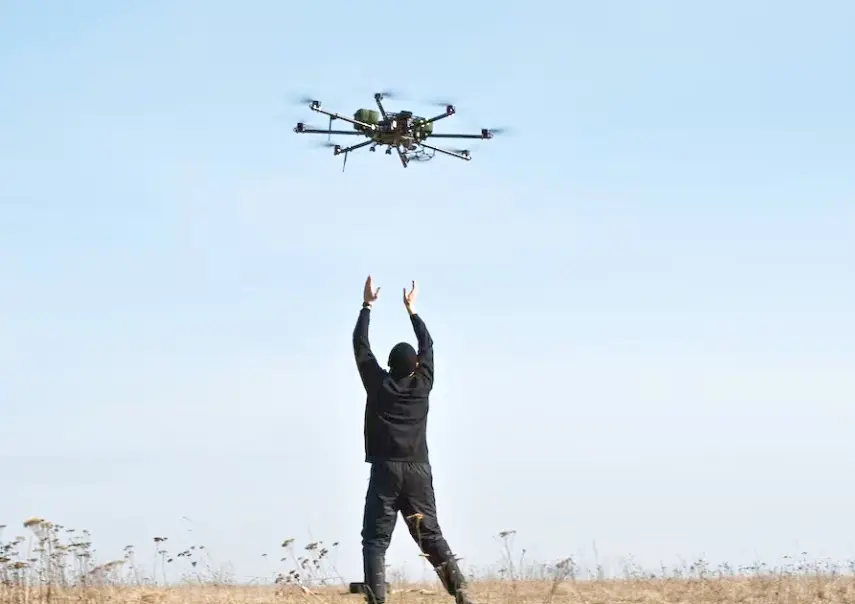
Immediate deployable UAV and critical support assets configured for industrial surveillance and border infrastructure monitoring in local environments.
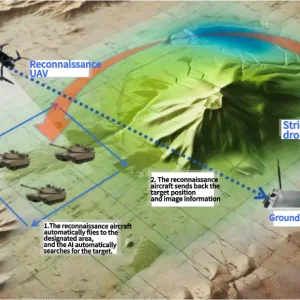


The Israeli market represents one of the world's most advanced arenas for drone application. Characterized by strict national regulatory oversight under the Civil Aviation Authority of Israel (CAAI) and a demanding geographical profile ranging from coastal cities to dry southern expanses, UAV solutions in this market demand uncompromising component reliability. B2B operators require systems that deliver consistent mission assurance across three core commercial pillars: precise agrarian surveying, infrastructure security, and long-range utility mapping.
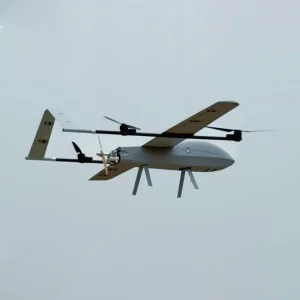
In the agricultural sector, commercial UAV platforms integrated with multispectral sensors and RTK (Real-Time Kinematic) systems have transitioned from optional tools to critical infrastructure. Drones monitor crop health, soil compaction, and water distribution efficiency across arid agricultural projects. Industrial inspection, conversely, requires specialized VTOL (Vertical Take-Off and Landing) units and heavy-duty multi-rotors capable of handling challenging coastal winds and operational temperatures exceeding 40°C. These criteria dictate systems engineered with robust thermal dissipation, IP-rated sealing, and high-performance carbon-fiber composites.
With the rise of low-altitude threats, integrating counter-unmanned aerial systems (C-UAS) has become a primary requirement for regional operators. Protecting critical assets—such as desalinization facilities, power grids, and port infrastructure in Ashdod and Haifa—requires comprehensive low-altitude management networks. Modern operations require coordinated hardware packages that combine radio frequency (RF) detection, passive radar scans, optoelectronic tracking, and targeted signal disruption.
EEAT Strategic Insight: Successful deployability in Israel depends on structural interoperability. A close-knit hardware framework that connects drone sensors with regional security databases reduces deployment timelines by up to 45% compared to proprietary, closed-source competitors.
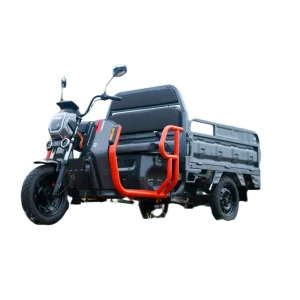
This integration is highly dependent on dedicated ground vehicles, command centers, and rapid-response tactical setups that enable real-time coordination. Multi-layered defense grids leverage high-mobility ground support platforms, using secure communication protocols to control and neutralize unauthorized UAS actions safely within target areas.
To support high-frequency low-altitude operations, the technological roadmap for the Israeli market focuses on four main developmental axes: advanced energy storage, autonomous swarming protocols, secure dual-channel data transmission, and integration with dynamic ground mobility platforms. The table below highlights the target milestones for next-generation platforms designed to operate in challenging environments.
| Tech Axis | Current Standards (2025) | Projected Standards (2027-2030) | Impact on Israeli Operations |
|---|---|---|---|
| Propulsion & Power | Standard Solid-State LiPo, ~60m flight | Hydrogen fuel cell / Solid-state hybrids | Extended VTOL operations over desert terrains |
| Swarm Autonomy | Single operator to multi-platform control | Fully decentralized AI swarming | Simultaneous perimeter scanning and rapid response |
| Communications | Dual-band RF + 4G/5G redundancy | Anti-jamming mesh networks & SATCOM | Resilient command links in electro-magnetically congested zones |
| Command Mobility | Stationary ground control stations | Mobile EREV ground hubs (automated launch) | Continuous tactical presence and fast redeployment |
A major development in this roadmap is the integration of high-reliability ground support assets. By utilizing range-extended electric vehicles (EREVs) and off-road tactical mobile units, operators can transport, launch, recharge, and control UAV fleets in remote locations. This creates a resilient, integrated system where the distinction between ground logistics and aerial operations is minimized.
Developing high-performance UAV networks requires a resilient and fast-moving manufacturing base. Chinese supply chains offer exceptional efficiency, scale, and technical adaptability to meet these requirements. With complete integration from raw material sourcing and carbon-fiber molding to micro-electronics assembly and optical sensor production, Chinese facilities provide high quality alongside significant cost efficiencies.
For B2B buyers in Israel, this supply chain model translates to rapid component iteration, verified quality standards, and reliable access to replacement parts. Key advantages include:
Comprehensive selection of ground command systems, mobile launch platforms, and specialized UAV components supporting full-scale operational requirements.








Deploying imported UAV equipment in Israel requires adherence to strict operating frameworks. Our export division is organized to manage compliance processes smoothly, ensuring B2B transactions meet all regulatory requirements.
All supplied airframes can be packaged with complete design documentation, structural loading specifications, and system safety analyses required for CAAI airworthiness evaluations. We assist local operators with compliance reports regarding structural integrity and propulsion safety values.
We supply RF modules configured to comply with the frequency standards set by the Israeli Ministry of Communications. Our range of telemetry systems covers licensed, clear-to-operate spectrum bands, minimizing interference with existing communications infrastructure.
We address the critical need for operational continuity by providing local partners with detailed troubleshooting documentation, direct engineering access, and stock agreements for critical spare parts (such as motors, ESC modules, control surfaces, and sensors) to minimize system downtime.
Key technical and logistical information for importing and deploying industrial UAV systems in the Israeli market.
Get in touch with our engineering team to request customized pricing, payload customization options, and technical support documentation.
Send Inquiry Now