 Tianli
Tianli
Tianli
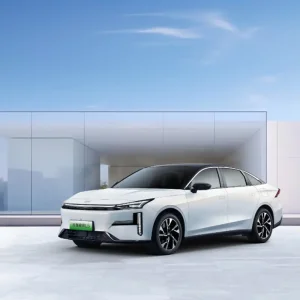
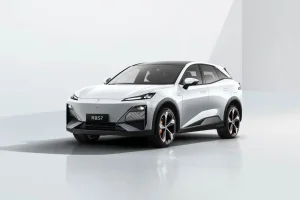
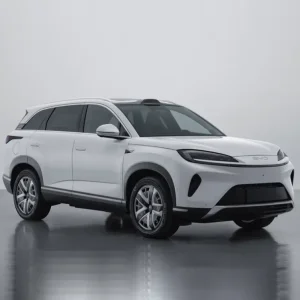
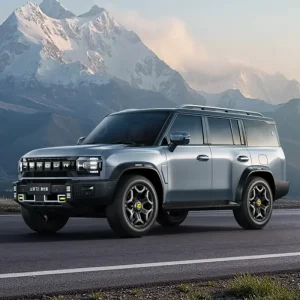
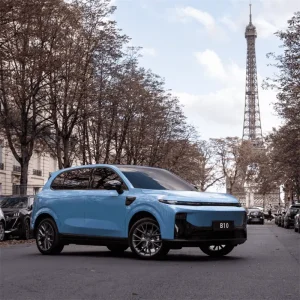
The automotive landscape is undergoing a monumental paradigm shift. As pure internal combustion engines (ICE) undergo phased containment, and complete battery electric vehicles (BEVs) face localized infrastructure and charging hurdles, the Plug-in Hybrid Electric Vehicle (PHEV) and Extended Range Electric Vehicle (EREV) architectures have emerged as the dominant pathways for sustainable transit. For global fleet operators, commercial enterprises, and distribution networks, sourcing from an integrated, custom PHEV auto factory is no longer merely an option—it is a core competitive necessity.
At Tianli International Trade Group, we operate at the intersection of manufacturing engineering, parallel vehicle logistics, and cross-border commercial systems. We facilitate comprehensive access to the most advanced hybrid engineering networks, providing customizable PHEV systems that deliver optimal range, thermal efficiency, and fleet-wide reliability. Our alignment with Chinese state-of-the-art gigafactories ensures our clients receive technology that integrates multi-mode Dedicated Hybrid Transmissions (DHT) and industry-leading battery management technologies.
China’s ascendancy as the absolute leader in electric vehicle engineering is built on deep structural supply chain integration. A custom PHEV auto factory operating within this hub benefits from immediate proximity to battery raw material processing, rare-earth permanent magnet manufacturing, and semiconductor fabrication complexes.
Tianli leverages these regional advantages to bypass classic logistics choke points. By maintaining certified export operations approved directly by the Ministry of Commerce of China, we combine regional manufacturing intelligence with streamlined customs brokerage. This ensures a stable monthly throughput of at least 200 electric vehicles and heavy machinery platforms, supporting client operations across 40+ countries.
Understanding the technology matrix within a PHEV auto factory is critical to long-term asset planning. Modern hybrid vehicles utilize sophisticated powertrains that alternate between mechanical combustion and pure electric drive systems. To guide global distributors, our engineering teams focus on three primary hardware pathways:
| Powertrain Architecture | Core Components | Optimal Operating Scenario | System Efficiency Rating |
|---|---|---|---|
| Parallel Hybrid (P1-P4 Configurations) | ICE + Dual Motors (BSG & Traction Motor) | High-speed highway routes, variable load hauling | 41.5% - 43% Thermal Efficiency |
| Multi-Mode DHT (Series-Parallel) | Dedicated Hybrid Engine + Multi-gear Clutch System | Mixed urban-to-interstate high-frequency commuter logistics | Up to 45% Thermal Efficiency |
| Extended Range (EREV Platform) | ICE (Pure Generator Role) + Large Battery + Traction Motor | Stop-and-start urban deliveries, heavy cold-weather operation | 92% Electrical Conversion Coefficient |
Over the next three to five years, our R&D efforts focus on integrating **Silicon Carbide (SiC) inverters** and **ultra-high-energy-density blade batteries** into custom export specifications. This development will reduce thermal losses, enable 800V fast-charging on compatible platforms, and improve total range limits to over 1,400 km under mixed loading cycles.
A vehicle's engineering value is defined by how well it performs in local operating conditions. Our customized PHEVs are specifically configured to operate reliably in a range of challenging environments:
Importing advanced automotive machinery requires meeting strict regional regulatory standards. Tianli's engineering and logistics divisions work closely with certification bodies in major markets to ensure compliance with relevant standards:
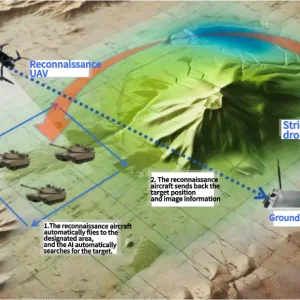
In addition to our new energy automotive division, Tianli is an active developer of Low-Altitude Security Systems. Modern gigafactories, parts storehouses, and international transport terminals require protection against airborne security risks.
We supply specialized Counter-Unmanned Aerial Systems (C-UAS) designed to monitor, identify, and neutralize unauthorized low-altitude threats. Integrating radar detection, RF jamming, and automated management dashboards, our security systems help secure logistics depots and critical manufacturing sites.
A Plug-in Hybrid Electric Vehicle (PHEV) uses a parallel or series-parallel engine design where both the internal combustion engine (ICE) and electric motor can drive the wheels. An Extended Range Electric Vehicle (EREV) operates primarily as a series hybrid: the electric motor drives the wheels, while the ICE functions solely as an onboard generator to charge the battery when it runs low.
Each vehicle undergoes a detailed multi-point inspection at our 10,000 sqm staging facilities. This includes complete diagnostic scans of the battery management systems (BMS), high-voltage isolation tests, vehicle tracking calibration, and physical checking of all mechanical joints to ensure alignment with destination market specifications.
Yes. We manage and obtain relevant certifications, including ECE/EEC homologation papers for Europe and GSO certifications for Gulf countries. We also adapt technical systems, such as engine cooling and software localization, to match local regional requirements.
Our export infrastructure supports a monthly delivery capacity of over 200 electric and hybrid vehicles. Shipping timelines vary by destination, typically taking 20 to 35 days via ocean roll-on/roll-off (Ro-Ro) carriers, container shipping, or intercontinental rail freight.
Connect directly with our corporate export division. Receive customized hybrid specification options, homologation checklists, and detailed factory-direct quotes within 24 hours.
Request Trade Portfolio