 Tianli

Adult E-Trikes: Industrial Growth Drivers & Engineering Paradigms
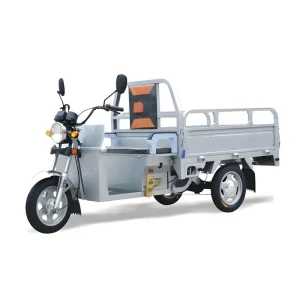
As standard two-wheeled electric bicycles encounter stability constraints under heavy payloads, the Adult Electric Tricycle (E-Trike) has emerged as a reliable utility asset. Global commercial fleets require mechanical resilience combined with digital integration. This analysis details the design choices and supply chain methodologies driving the modern electric vehicle ecosystem.
1. High-Performance Powertrain Optimization
Modern commercial adult electric tricycles require specific torque curves to handle steep inclines with heavy payloads. Standard hub motors often overheat under sustained stress, prompting a shift toward brushless mid-drive motors paired with differential gear assemblies. This setup ensures balanced power delivery to both rear wheels, enhancing stability during low-speed turns.
Our manufacturing protocols leverage advanced vector controllers (FOC) to smooth out acceleration. By matching mechanical torque demand with optimized battery discharge rates, energy efficiency increases by up to 18%, extending the operating range of logistics fleets without raising battery weight.
2. Heavy-Duty Structural Metallurgy
Durability under continuous use is essential for fleet operations. High-tensile steel alloys and aerospace-grade 6061-T6 aluminum frames form the backbone of our electric trikes. These materials undergo strict stress tests, including simulated 100,000-cycle impact tests, ensuring structural stability under maximum cargo or passenger weight.
- Corrosion Prevention: Standard electrophoretic deposition (EPD) coatings protect frames against salt spray, high humidity, and winter road conditions.
- Integrated Suspension: Double wishbone front suspension combined with rear leaf springs ensures smooth transit for passengers or fragile cargo, minimizing mechanical fatigue.
3. Smart Fleet Telematics Integration
Modern fleet managers require real-time visibility. Our high-end adult E-trike units support integrated GPS modules, CAN-bus communication protocols, and remote diagnostic systems. This enables managers to monitor battery health, track vehicle location, and receive predictive maintenance alerts through centralized dashboards.