 Tianli
Tianli
Tianli
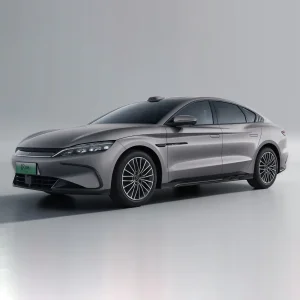
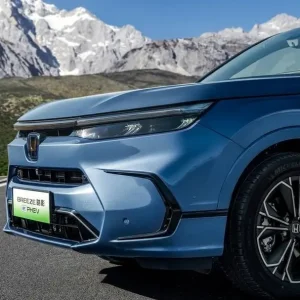
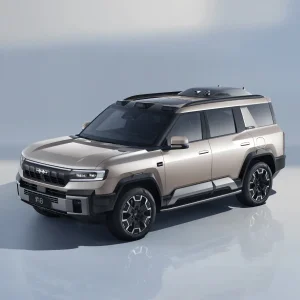
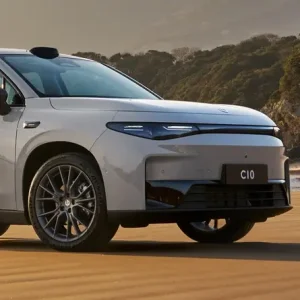
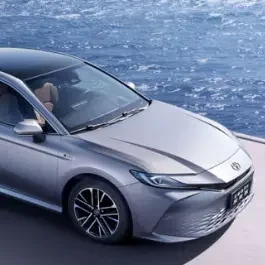
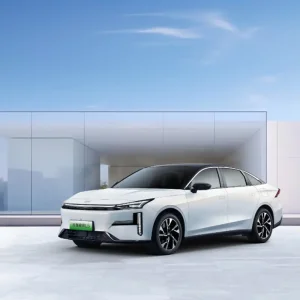
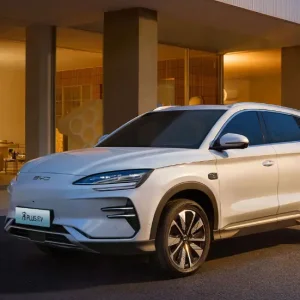
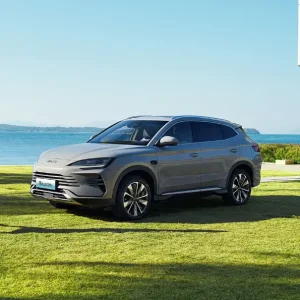
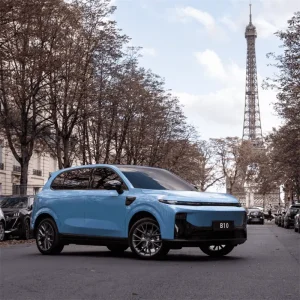
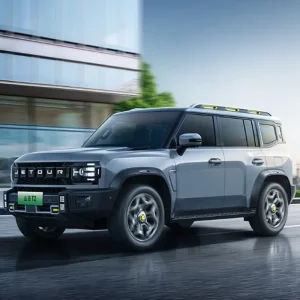
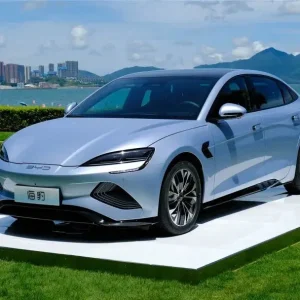
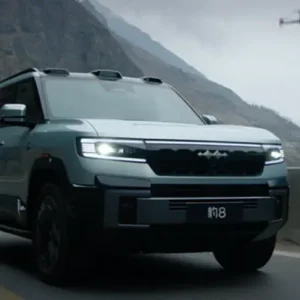
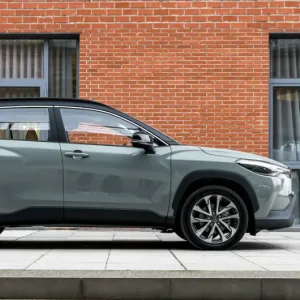
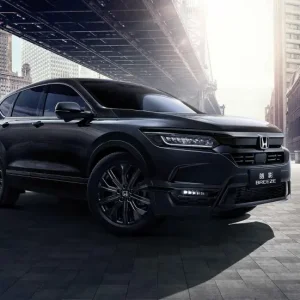
Direct-to-enterprise supply solutions for premium passenger plug-in hybrids, range-extended models, and commercial electric platforms.
The global automotive ecosystem is undergoing a generational shift. As regulatory frameworks like the European Union's Euro 7 standards, North America's CAFE mandates, and China’s dual-credit system tighten, fleet buyers and international distributors face a complex transition. Pure battery electric vehicles (BEVs) continue to build out high-voltage charging networks globally; however, they require substantial upfront infrastructure expenditures.
This is where high-quality small hybrid cars step in as the most viable, immediate pathway for mass-market decarbonization. By combining localized, highly efficient combustion engines with compact electrical energy storage units (like lithium-iron phosphate or lithium-ion chemistries), small hybrid cars minimize lifecycle emissions, lower acquisition barriers, and resolve localized charging range anxiety.
As a premier B2B parallel export and supply chain consolidator, Tianli International Trade Group bridges the gap between China’s advanced automotive manufacturing bases and global distributors. With the direct endorsement and export qualification certified by the Ministry of Commerce of China, Tianli manages large-scale vehicle acquisition, custom compliance protocols, and multimodal logistics solutions to ship high-efficiency vehicles anywhere in the world.
Small hybrid variants boast up to 45% greater fuel efficiency compared to conventional ICE equivalents, directly lowering fuel costs for fleet managers and logistics providers.
No grid dependency is required for standard HEVs, while PHEVs leverage both normal domestic wall outlets and municipal high-speed charging networks.
Hybrids maintain an exceptionally strong resale demand across transitionary economies, safeguarding investments for leasing agencies and commercial operators.
The technical architecture of small hybrid platforms is evolving at a breakneck pace. Modern designs have moved past simple belt-driven starter generators (MHEVs) to adopt highly integrated dual-motor Dedicated Hybrid Transmissions (DHTs). In Chinese manufacturing clusters, top suppliers focus on three principal hybrid drivetrains:
1. Intelligent Plug-in Hybrids (PHEVs): Utilizing advanced power-split or series-parallel topologies. These platforms run on battery power for typical urban commutes (ranging between 80 to 200 kilometers on a single charge) and dynamically start their ultra-efficient Dedicated Hybrid Engines (DHEs) when high speed or extended range is demanded.
2. Range-Extended Electric Vehicles (EREVs): In this configuration, the internal combustion engine acts solely as a mobile generator, maintaining the battery's State of Charge (SoC). It does not directly drive the wheels, ensuring the smooth torque delivery of an EV with zero range anxiety.
3. Advanced Solid-State and LFP Integration: Emerging architectures are integrating cell-to-chassis (CTC) platforms with cobalt-free chemistries. This development increases volumetric energy density, reduces vehicle weight, and ensures maximum thermal stability, even in extreme operating environments.
Direct Injection Thermal Efficiency: Modern DHEs have surpassed 43% thermal efficiency by employing lean-burn cycles, high-pressure direct injection, and variable compression ratio designs.
AI-Powered Energy Management: Next-generation vehicles use predictive power allocation, analyzing terrain data from navigation systems to optimize battery depletion schedules and maximize efficiency.
Silicon Carbide (SiC) Inverters: Upgraded power electronics minimize electrical losses in the inverter unit, resulting in compact motor-drive units and increased power density.
Tianli partners with smart factories leveraging Industry 4.0 paradigms. The integration of digital twin simulations, end-to-end automated manufacturing, and robust vertical supply chains allows for unparalleled production efficiency.
Over 95% automation across body shops, welding, and battery pack integration guarantees component precision and lowers mechanical failure rates across product lifecycles.
Direct integration with mineral refineries and localized lithium-cell manufacturing plants protects production from global supply shocks and keeps pricing stable.
Every vehicle undergoes high-speed dynamometer calibration, ultrasonic weld scans, and intensive battery diagnostic testing before leaving the assembly line.
Global logistics networks, corporate car rentals, and governmental fleets are under heavy pressure to reduce greenhouse gas emissions. Transitioning away from internal combustion engines requires realistic staging. Tianli supports B2B procurement strategies with scalable, integrated vehicle supply networks:
We provide tailormade vehicle configurations, offering right-hand/left-hand drive adaptations, specific charging interface compliance (CCS2, GB/T, CHAdeMO), and optimized cabin designs for delivery or commercial use.
By utilizing parallel export pathways, we bypass manufacturer-restricted allocations. This approach allows global dealerships and corporate buyers to source high-demand models directly from top automotive clusters at highly competitive pricing.
We specialize in sourcing and preparing zero-mileage vehicles. These units are inspected, certified, and cleared for rapid customs release, providing a fast, cost-effective alternative to long factory backlogs.
Procuring international vehicle fleets involves navigating complex regulatory hurdles, quality checks, and logistics routes. Tianli streamlines this process through a unified supply chain solution. We manage everything from direct brand partnerships and pre-delivery quality inspections to shipping logistics via Ro-Ro (Roll-on/Roll-off) vessels, dry-bulk containers, or the China-Europe Railway Express. This direct-to-destination approach reduces shipping transit times by up to 25%.
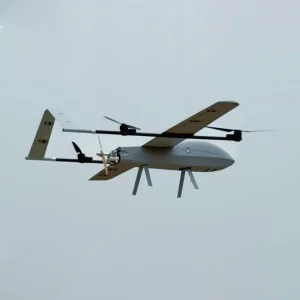
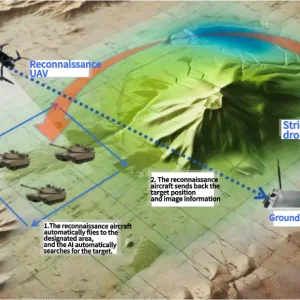
Tianli is also a trusted developer and integrator of defense technologies for low-altitude unmanned aerial systems (UAS). Our dual-sector experience allows us to serve clients with complex industrial protection requirements.
As autonomous operations and aerial drones become more common, securing logistics hubs, manufacturing sites, and port facilities against low-altitude threats is crucial. We supply integrated defense installations designed to detect, track, and neutralize unauthorized drones in critical industrial zones.
By combining vehicle logistics with low-altitude security management, Tianli provides modern, secure supply chain infrastructures for large ports and industrial complexes worldwide.
Integrated radar, radio frequency (RF) detection, and optoelectronic tracking units coordinate to identify threat signatures within a multi-kilometer radius.
Smart jamming, spoofing, and physical capture systems neutralize threats while keeping surrounding communications and local grid infrastructure running smoothly.
Our defense modules integrate directly into smart city networks and port operations, helping enterprises protect their high-value assets.
Crossing borders requires strict adherence to international automotive regulations. Without correct customs handling and certification, cargo can face costly transit delays. Tianli's dedicated compliance department works closely with international testing bodies to manage the entire process smoothly:
We verify and update vehicles to match local market regulations, including WVTA (Whole Vehicle Type Approval) for Europe, GCC certification for the Middle East, and DOT/EPA compliance for the Americas.
Every vehicle undergoes a detailed 150-point PDI checklist before transport. This covers high-voltage battery health, drivetrain calibration, and firmware checks to ensure cars arrive in showroom-ready condition.
We manage export licenses, commercial documentation, and transit insurance, providing clean customs clearance and reliable delivery to local distribution centers.
Answers to critical business questions for fleet operators, distributors, and purchasing managers.
From high-efficiency plug-in hybrid SUVs to advanced tactical UAS systems, we supply diverse assets to support modern commercial operations.