 Tianli
Tianli
Tianli
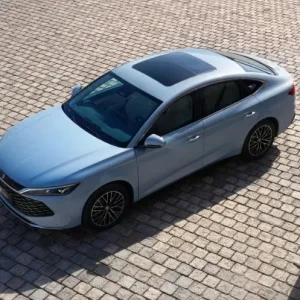
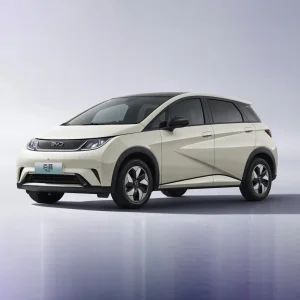
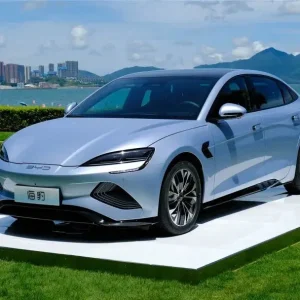
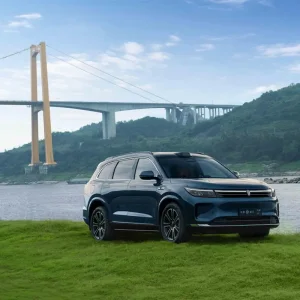
Explore high-performance, range-extended, and plug-in hybrid options engineered at global standards. Analyze wholesale pricing, factory quotes, and original equipment specifications.
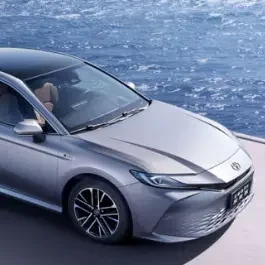
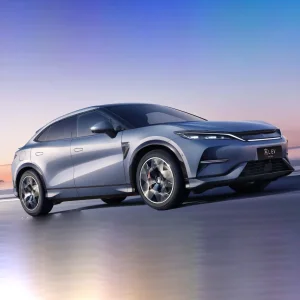
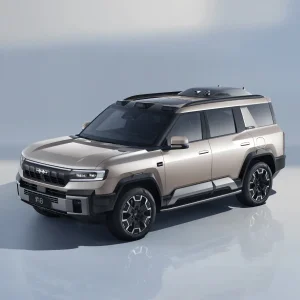
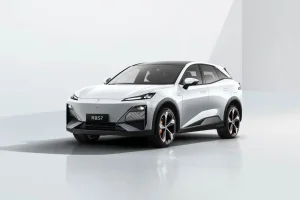
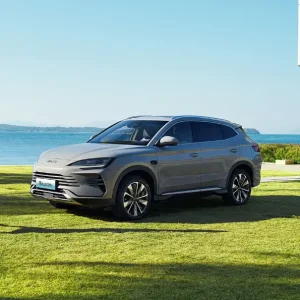
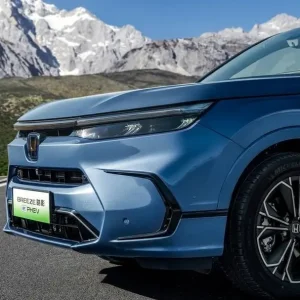
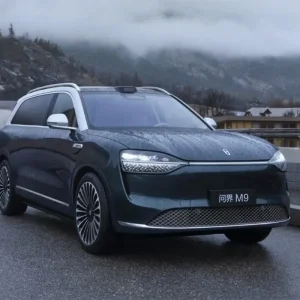
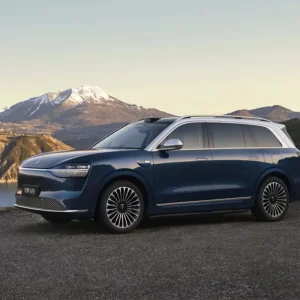
A comprehensive analysis of design architectures, Chinese supply chain metrics, E-E-A-T manufacturing compliance, and localized fleet deployments.
The global transition toward electrified transportation has propelled hybrid powertrains, specifically within the Sport Utility Vehicle (SUV) segment, into a crucial position. Organizations aiming to transition commercial fleets, distribution setups, or consumer fleets face a complex matrix of choices. Understanding the thermodynamic and electrical layouts of Plug-in Hybrid Electric Vehicles (PHEV) compared with Range-Extended Electric Vehicles (EREV) is key.
PHEVs use parallel hybrid systems where both the internal combustion engine (ICE) and the electric drive motors are mechanically linked to the drive wheels via specialized multi-speed dedicated hybrid transmissions (DHTs). EREVs, in contrast, utilize a series-only topology. The combustion engine operates exclusively as an onboard generator, supplying electrical current directly to the high-voltage battery system or the traction motor, removing any mechanical connection to the drive wheels. This setup simplifies the physical drivetrain, offering smooth, pure-electric driving characteristics even when the battery is low.
The absolute cost efficiency and technical superiority of Chinese hybrid SUVs stem directly from their integrated domestic supply chain. By localizing raw materials extraction, lithium refining, anode/cathode production, and final battery pack assembly, Chinese factories reduce manufacturing bottlenecks. Key components like LFP (Lithium Iron Phosphate) Blade batteries and high-voltage multi-in-one electric drive powertrains are manufactured near vehicle assembly lines.
This close supply network minimizes assembly logistics and allows manufacturers to integrate structural batteries into vehicle chassis layouts (Cell-to-Body technology). This reduces overall curb weight, increases body structural stiffness, and improves real-world electric driving ranges.
Tianli International Trade Group operates across two core sectors to ensure business resilience and defense capabilities:
1. Global Automotive Supply Chains: We facilitate the parallel export, procurement, customization, and logistical clearance of zero-mileage vehicles, ensuring access to top hybrid vehicle designs.
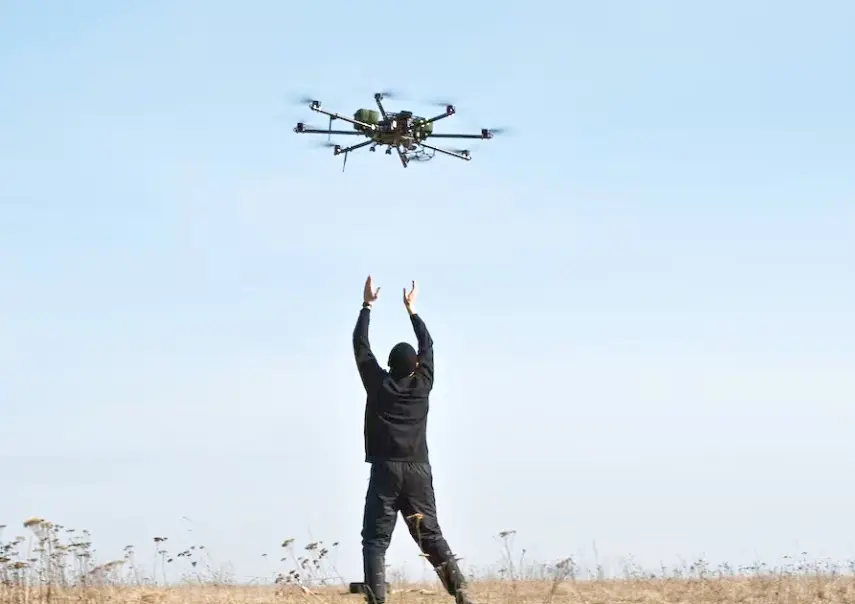
2. Unmanned Aerial Systems (UAS) Defense: We specialize in counter-UAS systems, low-altitude airspace monitoring, and specialized communication platforms for smart municipal security and infrastructure defense.
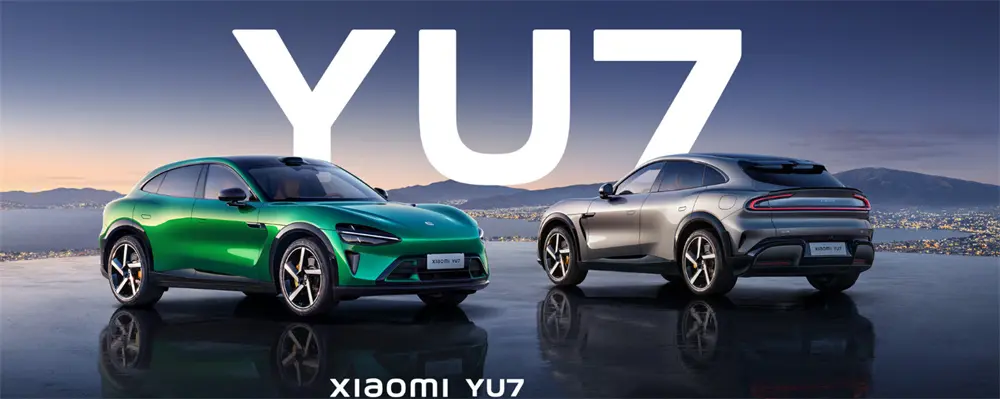
Procuring hybrid and EV models from Chinese manufacturers requires navigating international shipping and custom protocols. As an authorized parallel exporter recognized by the Ministry of Commerce of China, Tianli International Trade Group simplifies this process.
Parallel automotive exporting involves sourcing brand-new, zero-mileage vehicles directly from domestic networks, completing export registration, and managing logistics. This route helps dealerships and international buyers bypass long OEM manufacturing waitlists and access market-ready vehicles at competitive prices.
Our logistics teams coordinate rail freight via the China-Europe Railway Express, sea shipping via Roll-on/Roll-off (Ro-Ro) vessels, and multi-modal land transport. This coordination guarantees consistent dispatch schedules, helping clients maintain operational readiness.
A key challenge for global importers is vehicle compliance with local regulations. Countries apply different safety, environmental, and electrical standards.
Ensuring all parallel export hybrid vehicles comply with stringent Whole Vehicle Type Approval (WVTA) parameters, including ADAS active safety controls, electromagnetic compatibility, and end-of-life battery recycling mandates.
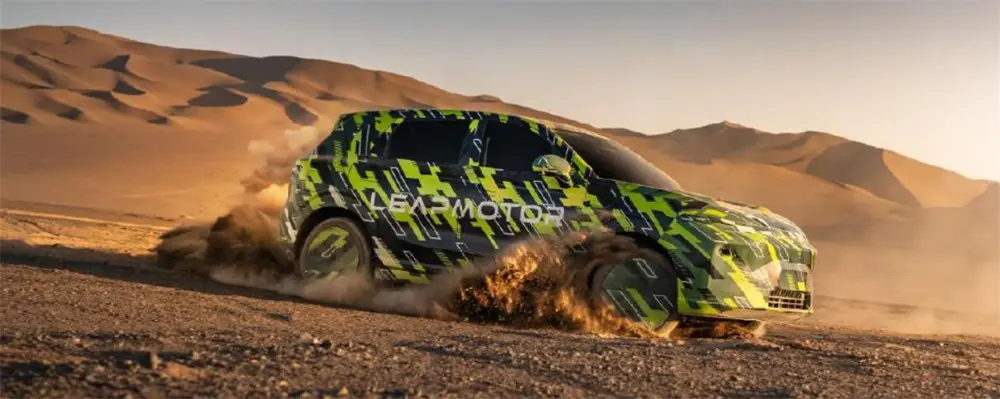
Customizing powertrain parameters to withstand regional conditions. Systems are optimized for high-temperature desert climates, with upgraded air-filtration systems and enhanced active liquid cooling loops for battery packs.
Developing specialized compliance options for rough terrain and cold climates, featuring reinforced underbody protective plating, custom suspension calibration, and localized software/navigation system packages.
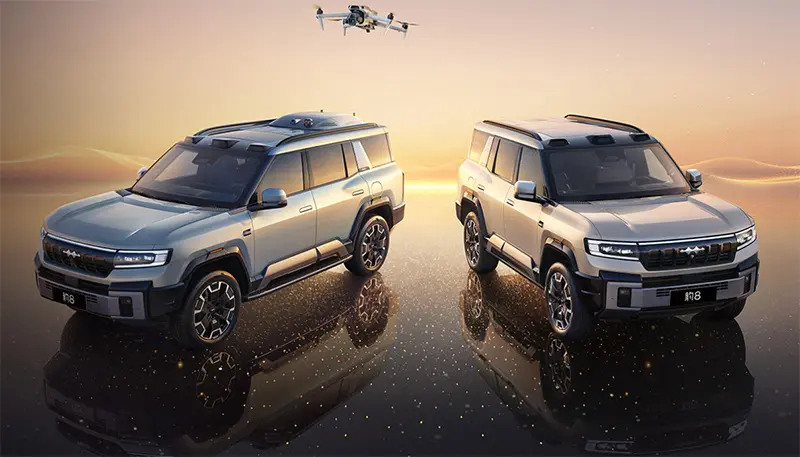
Modern hybrid SUVs are engineered for diverse operating conditions:
Tianli International Trade Group provides end-to-end support for global vehicle purchasing. We manage factory procurement, handle export paperwork, run quality checks, and set up local maintenance partnerships.
By utilizing advanced digital logistics and maintaining inventory buffers, we help global dealers, corporate buyers, and governments secure access to reliable new energy transport options.
A closer look at our dual industrial facilities, exporting assembly yards, and localized distribution networks.
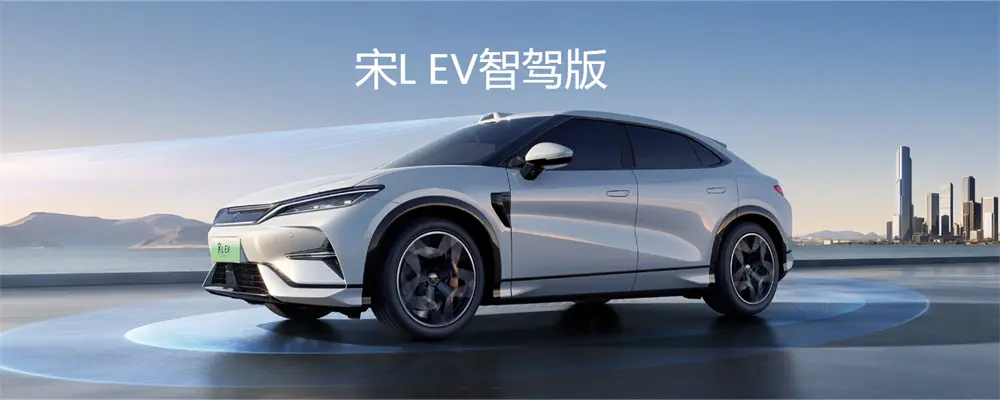
Comprehensive pre-shipment diagnostics and quality assessments carried out at our primary logistics hub.
Protective shipping preparations and multi-modal containment to prevent transport damage across long transit routes.
Developing localized defense systems and hardware arrays to secure industrial facilities against UAS threats.
Detailed technical, financial, and logistical answers to support global enterprise procurement strategies.
PHEVs (Plug-in Hybrid Electric Vehicles) feature a parallel powertrain where the internal combustion engine and electric motors can both drive the wheels. This is typically managed via a Dedicated Hybrid Transmission (DHT). EREVs (Range-Extended Electric Vehicles) use a series powertrain. The internal combustion engine acts solely as an generator to recharge the battery pack, and has no mechanical connection to the wheels. This provides a consistent, pure electric driving feel.
Parallel exporting involves sourcing new vehicles from local dealership networks within China, completing export customs registration, and exporting them as pre-owned but zero-mileage vehicles. This process bypasses traditional regional distribution limitations, allowing importers to secure cars quickly.
We confirm homologation requirements beforehand, including European Union WVTA standards, Middle Eastern GCC parameters, or CIS-specific profiles. Changes to charging interfaces (like CCS2, GBT, or Chademo) and updates to vehicle software are implemented before export.
While we support sample orders for fleet evaluation, our standard logistics pipeline is designed for high-capacity distribution, delivering at least 200 electric or hybrid vehicles per month.
Tianli Group leverages its international logistics network and technical engineering resources to serve two main areas: global vehicle supply chains and specialized defense technologies. Our defense team offers counter-UAS security, communications setup, and airspace protection for municipal infrastructure.
Connect with our supply chain team to receive detailed pricing, logistics information, and customization options for your target hybrid and EV models.
Contact Sourcing TeamExplore our second selection of hybrid and electric vehicles, featuring competitive factory quotes and comprehensive trade compliance.