 Tianli
Tianli
Tianli
Premium internal combustion & hybrid passenger vehicles optimized for Metro Manila's high-demand routes.
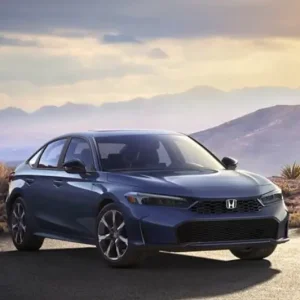
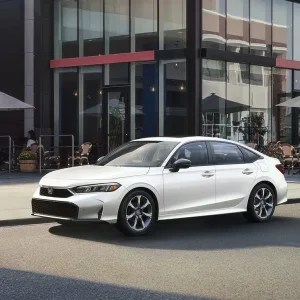
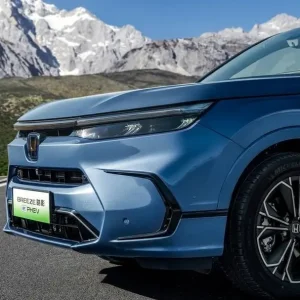
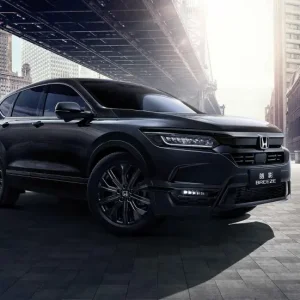
How regulatory evolution and demographic shifts are shaping the automotive landscape in Metro Manila.
Metro Manila, a sprawling metropolis housing over 13 million residents, is undergoing a historic shift in its transport architecture. Faced with intense traffic density, volatile fuel prices, and pressing air quality concerns, the Philippine government enacted the Electric Vehicle Industry Development Act (EVIDA) (Republic Act No. 11697). This landmark legislation mandates corporate fleets, public utility vehicle (PUV) networks, and government agencies to ensure that EVs comprise at least 5% of their total operations, with an ultimate target of 10% or more. EVIDA also provides vital fiscal and non-fiscal incentives, including exemptions from excise taxes on hybrid and electric vehicles, reduced motor vehicle registration fees, and priority lanes at the Land Transportation Office (LTO).
For fleet managers, logistics corporations, and private dealers operating in major hubs like Quezon City, Makati, BGC (Taguig), and Pasay, importing brand-new or zero-mileage pre-owned electric vehicles from China represents a highly competitive strategy. Chinese EV manufacturers lead the global market in terms of battery energy density, smart driving features, and cost efficiency. However, navigating the cross-border import pipeline requires an experienced supply chain partner who understands the local standards of the Bureau of Import Services (BIS) and the Department of Trade and Industry (DTI) of the Philippines.
Tianli International Trade Group is a comprehensive supply chain solutions provider certified by the Ministry of Commerce of China. With over 12 years of industry expertise, we specialize in end-to-end automotive supply chain management, parallel auto exports, and the development and deployment of defense technologies for low-altitude unmanned aerial systems (UAS).
In the new energy transportation sector, we are dedicated to building green transportation solutions for international markets, including Southeast Asia. Our stable supply chain handles multi-brand vehicle sourcing, rigorous quality inspections, marine shipping logs, and Manila customs clearance coordination. Additionally, we integrate low-altitude security platforms to secure physical logistics yards, mitigating security risks for regional distribution hubs.
Partner With Us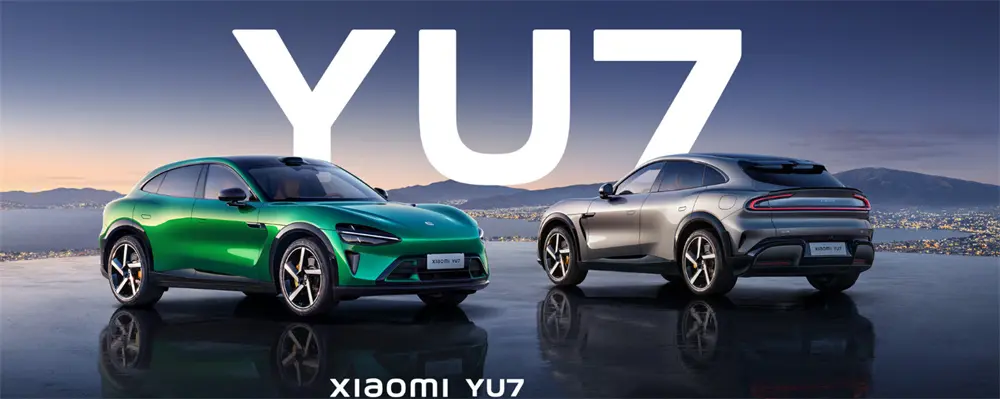
We combine automotive supply capabilities with advanced security systems to streamline fleet operations.
Access Chinese domestic EVs (BYD, Leapmotor, Geely, AITO) and joint-venture models (Honda, Volkswagen) through a single export gateway.
Ensure secondary market imports are certified with zero road mileage, bypassing dealer price markups while maintaining full quality control.
Secure logistics depots, port yards, and transit warehouses in Manila from unauthorized surveillance using our advanced drone countermeasure systems.
Understanding the engineering criteria for deploying imported EVs in high-temperature, flood-prone environments.
Metro Manila regularly experiences temperatures exceeding 35°C during the dry season. Heat degrades Lithium Iron Phosphate (LFP) and Nickel Cobalt Manganese (NCM) battery chemistries if not managed actively. We source vehicles featuring advanced liquid cooling architectures instead of basic air-cooled systems. This guarantees battery stability, minimizes thermal runaway risks, and preserves battery state of health (SOH) over thousands of cycles under Metro Manila's heavy traffic gridlocks.
Typhoons regularly cause urban flooding in low-lying sections of Manila, Pasig, and Marikina. Imported EVs must meet stringent water ingress standards. The high-voltage battery packs, drive motors, and electronic control units (ECUs) of our sourced vehicles feature IP67 and IP69K certifications. This ensures critical electronics can withstand water immersion for up to 30 minutes, allowing public utilities and commercial logistics fleets to operate reliably through seasonal rains.
The Philippines uses the CCS Type 2 standard for DC fast charging and Type 2 for AC charging. Sourced vehicles from the Chinese market generally utilize the GB/T standard. To address this, Tianli provides dual-protocol adapters and integrated conversion kits, ensuring imported vehicles interface seamlessly with Manila's growing public charging infrastructure (such as those managed by Meralco's e-Vehicle Power Station networks, SM Malls, and Shell Recharge stations).
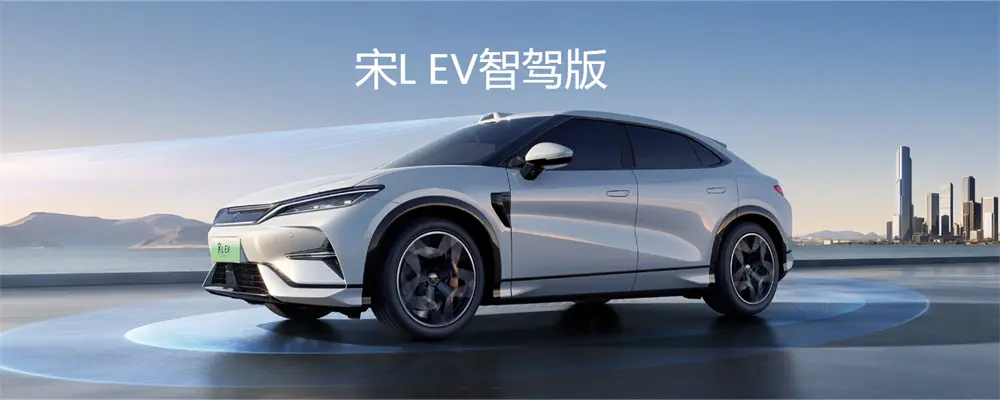
Importing vehicles into the Philippines requires strict adherence to multiple regulatory bodies. Without proper documentation, vehicles can face indefinite delays at Manila South or North Harbor. Tianli International Trade Group operates a dedicated logistics division to manage the complexity of parallel imports:
Reach out to our logistics and regulatory engineering experts for direct pricing on bulk shipments to Manila ports.
Send Inquiry NowEssential insights for importing and operating new energy vehicles in the Philippines.
A "zero-mileage" used car is a vehicle that has been registered for administrative purposes in its country of origin (often to secure export licenses or circumvent strict direct-to-dealer OEM distribution rules) but has not been driven on public roads. It is, for all practical purposes, brand new, allowing buyers in Manila to purchase premium, high-specification vehicles at lower used-car import tariffs.
Under the Executive Order No. 12 series of 2023 in connection with EVIDA, the Most Favoured Nation (MFN) tariff rates on completely built-up (CBU) electric vehicles (except hybrid vehicles) were temporarily reduced to 0%. Hybrids receive a 50% discount on excise taxes under the TRAIN Law, though customs clearance processing fees, local VAT, and storage fees still apply.
We work closely with local automotive service centers and supply them with original diagnostics tools, wiring diagrams, and critical components. By establishing bulk parts depots in Manila, we reduce down-time for fleets to under 48 hours for common wear-and-tear items.
Large import fleets are stored in massive regional depots near ports or transit hubs in Manila, exposing them to security vulnerabilities. Modern security requires monitoring low-altitude aerial threats. Our commercial-grade drone detection and defense solutions protect port yards and logistic parks from unauthorized surveillance and operational disruptions.
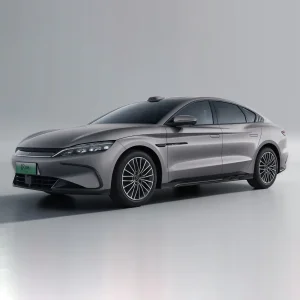
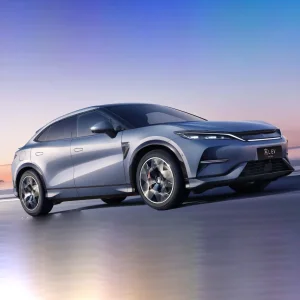
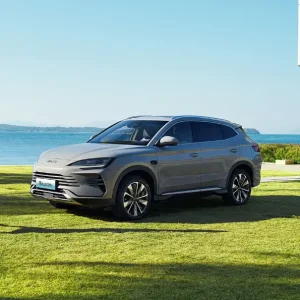
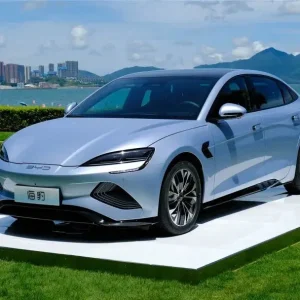
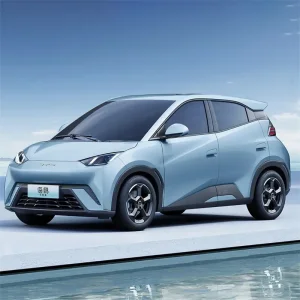
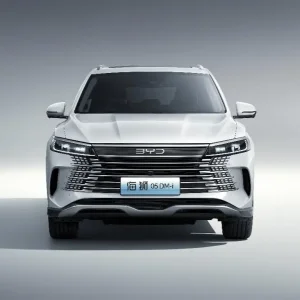
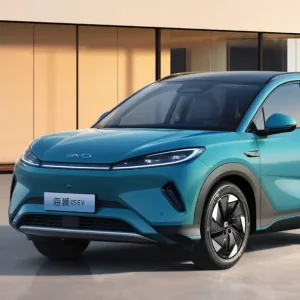
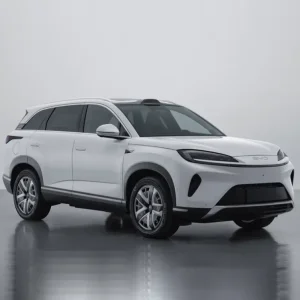
Robust electric SUVs, sedans, and hybrid options built to meet diverse commuter and commercial needs in the Manila region.